On March 3, 1876, chunks of meat fell from the sky over Bath County, Kentucky. That is the entire premise of this record. Meat. From the sky.
There is no ambiguity in the historical record on this point. Witnesses reported it. Samples were collected. Scientists examined them under microscopes. The meat was real. The fall reportedly lasted several minutes and covered an area roughly 100 yards long and 50 yards wide. It was not storming. There was no cloud in the sky. Aircraft would not be invented for another 30 years. The primary witness was a woman making soap.
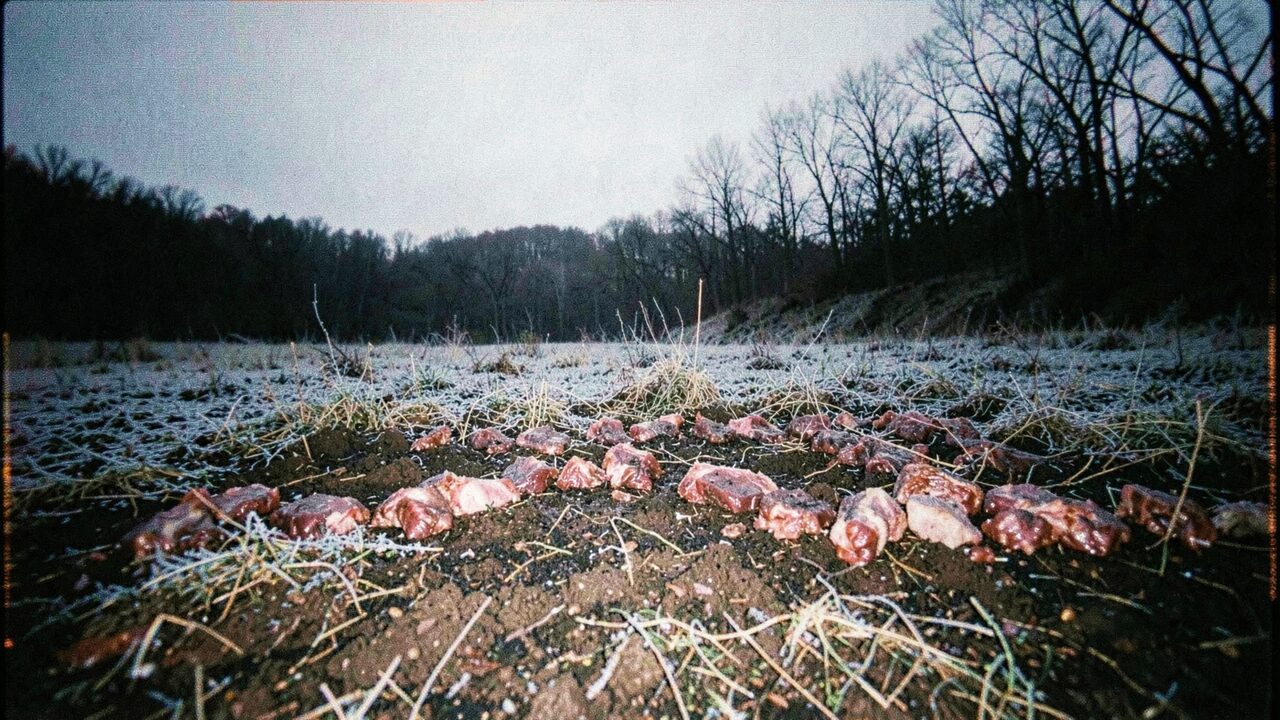
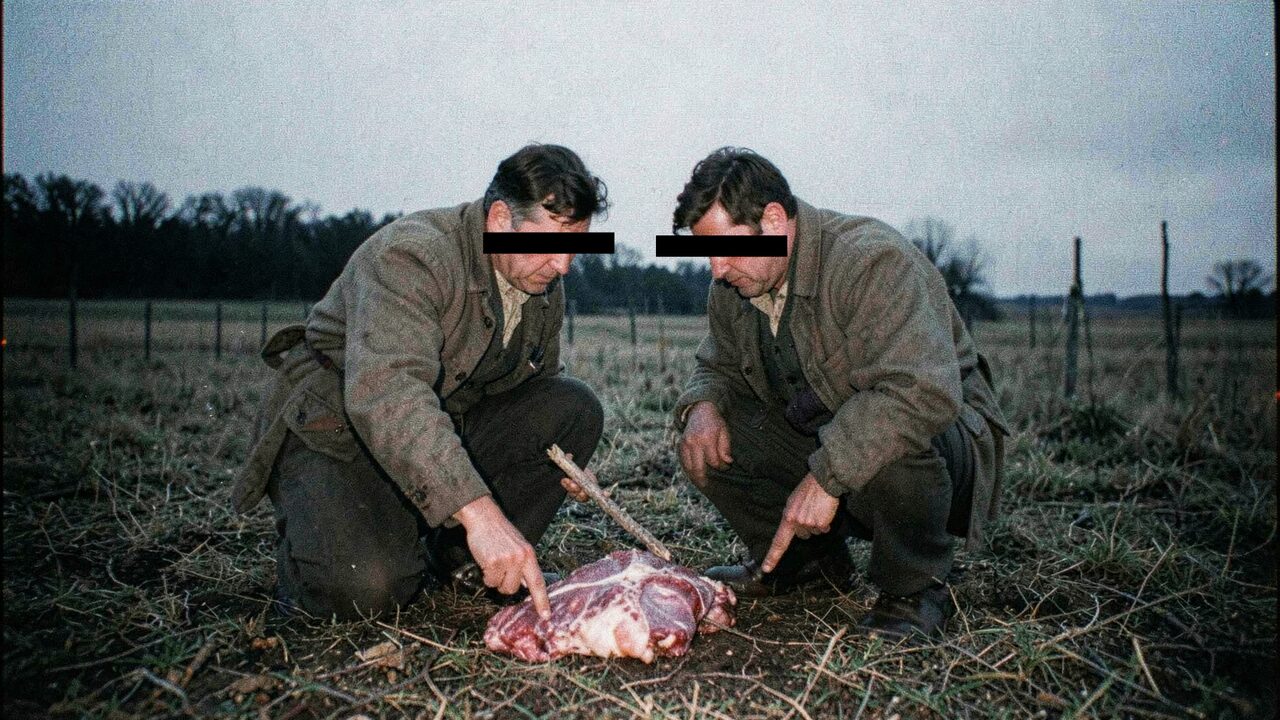
Two men tasted it. This was, apparently, considered an appropriate investigative response in nineteenth-century Kentucky. They decided it was either venison or mutton. Scientists who examined the samples confirmed it was real animal tissue — lung, muscle, cartilage. They eventually offered an explanation. That answer was, by a comfortable margin, more disturbing than the mystery.
Where Nothing Happens
Bath County sits in the eastern hills of Kentucky, about 70 miles east of Lexington. In 1876 it was rural in the way that makes the word rural feel like an understatement. Scattered farms, unpaved roads, and a relationship with the outside world conducted largely by mail. The county seat, Owingsville, had a population under 2,000. The rest of the county was farms, forests, and the kind of quiet that only exists in places where nothing happens. And then something happened.
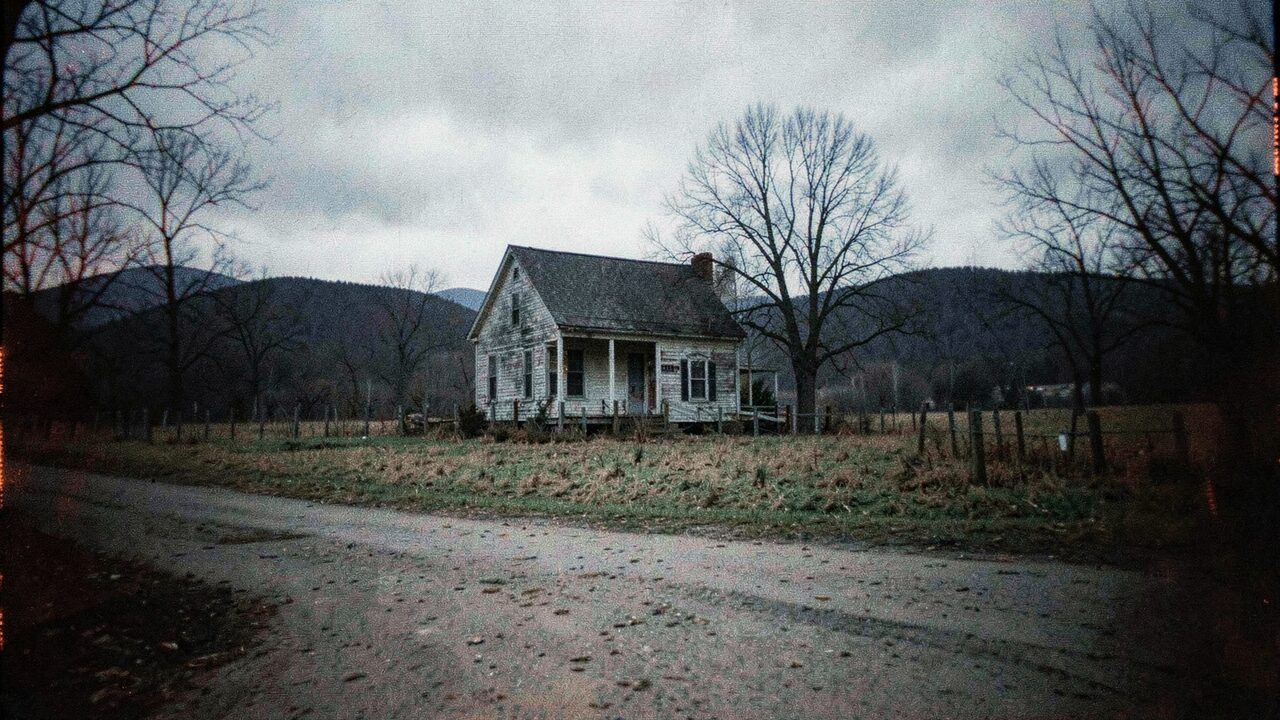
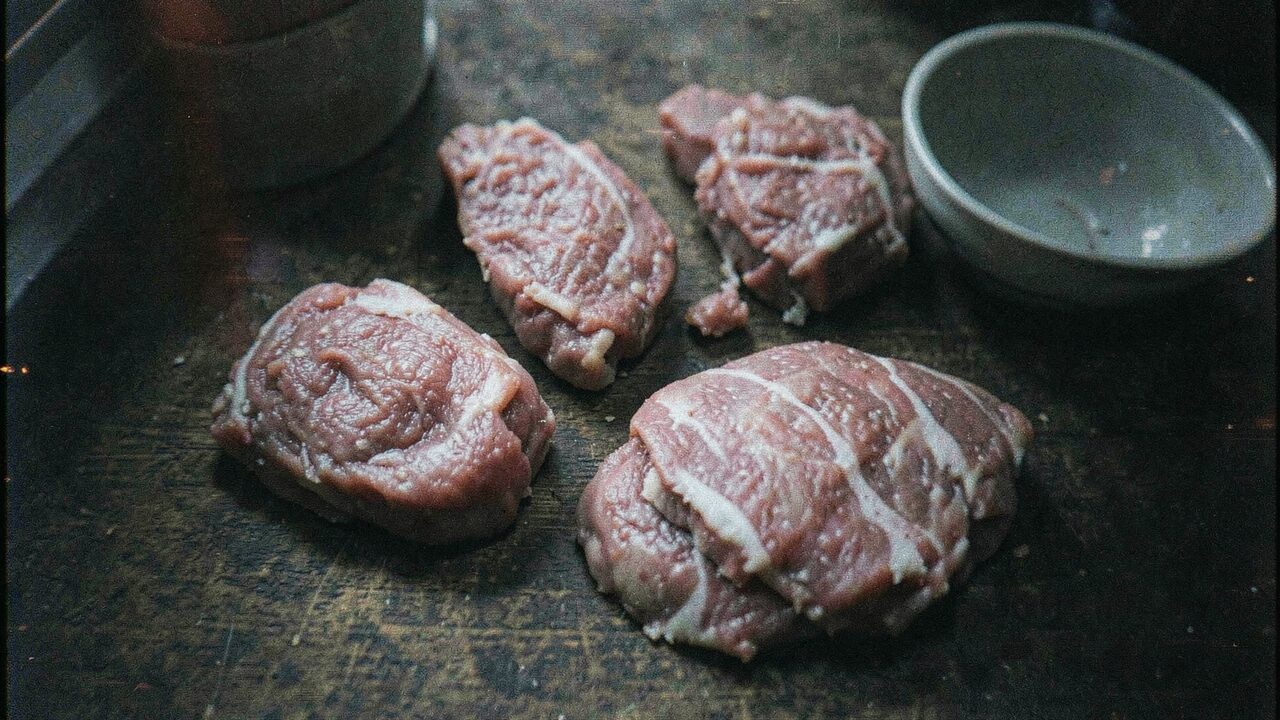
The primary account comes from Rebecca Crouch, identified in most period records only as Mrs. Allen Crouch. She was outside making soap at the Crouch farm, near a place called Olympia Springs, when the meat began to fall. She described the pieces as fresh, resembling beef, ranging from small flakes to chunks roughly four inches square. They fell, as far as she could tell, from a perfectly clear sky. Her grandson, reportedly ten years old, was with her and was, by most accounts, the first to notice. The meat landed on the fence posts, on the ground, and reportedly in the soap.
Crouch was, by all available accounts, an average Kentucky woman. She was not a medium. She was not a seeker of strange phenomena. She was a person making soap on a Friday, which until that particular Friday was an unremarkable thing to be doing. The historical record preserves her primarily because the sky, for some reason, chose her yard.
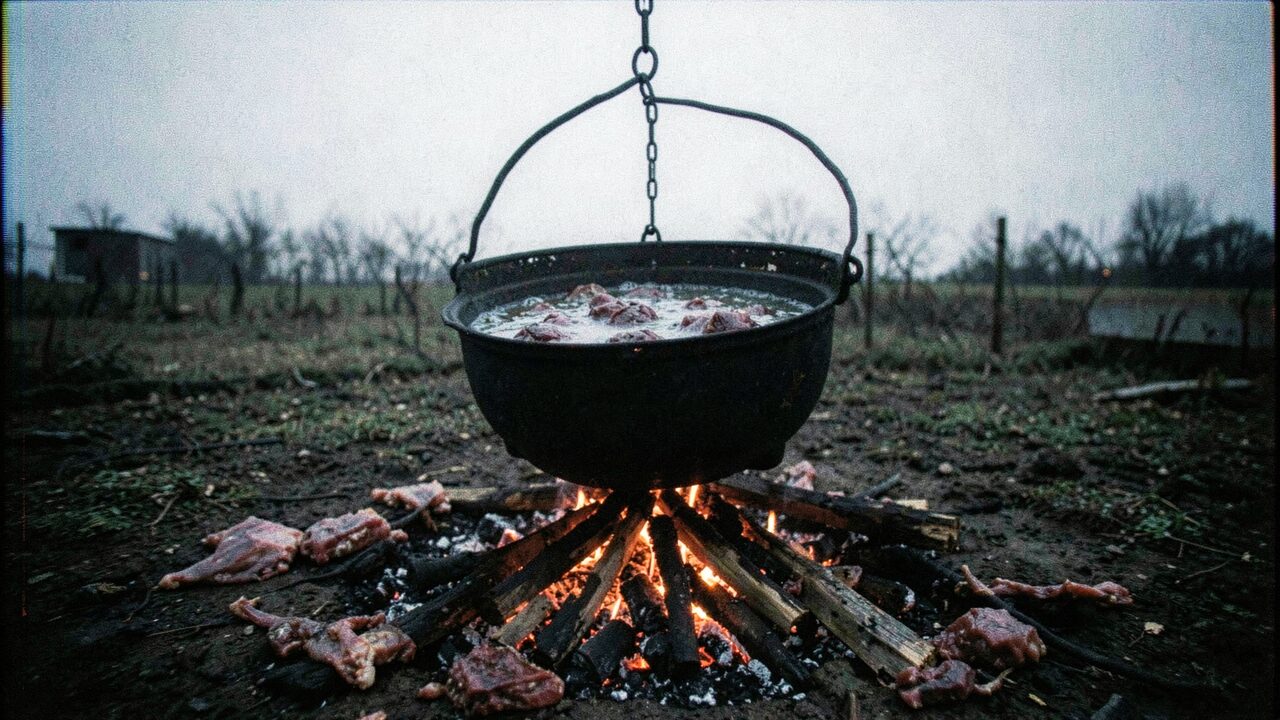
Some of the meat landed in the soap. Not near the cauldron. In it. The record does not indicate she attempted to salvage the batch, which was a reasonable decision. Soap with lung fragments in it is, at best, a niche product and likely a poor exfoliant.
The event was reported in the local press and picked up by Scientific American, the New York Times, and others. Meat does not typically fall from the sky, and when it does, people tend to mention it. On March 10, 1876, the Times placed the story on its front page — not in a column of curiosities, not in a back section for rural oddities. The front page. A national paper of record, in an election year, during Reconstruction, determined that meat falling on a Kentucky farm warranted the same real estate as Congress. They were, arguably, correct.

The Tasting
Two men tasted the meat. They are not named in the historical record, and rightly so — this would be a ridiculous thing for history to remember you for. They exist only as the two who ate it. Their methodology was straightforward. They picked pieces of meat off the ground and ate them.
Their conclusion was venison or mutton — a differential diagnosis between deer and sheep, arrived at through field consumption of unidentified sky-meat, apparently considered a contribution to the investigation. Two grown men tasted it. Two presumably rational adults. Somehow this was not considered unusual in 1876. The frontier approach to scientific inquiry was, by modern standards, direct.
The scientific analysis was more rigorous. Less flavorful. Samples were preserved in glycerine and distributed to scientists. The most thorough examination was conducted by Dr. A. Mead Edwards, president of the Newark Scientific Association, who identified the samples as animal tissue. Seven samples were examined: two were lung, three were muscle, two were cartilage. The lung tissue, Edwards reported, was consistent with that of a human. Or a horse. The report does not address the possibility of centaurs.
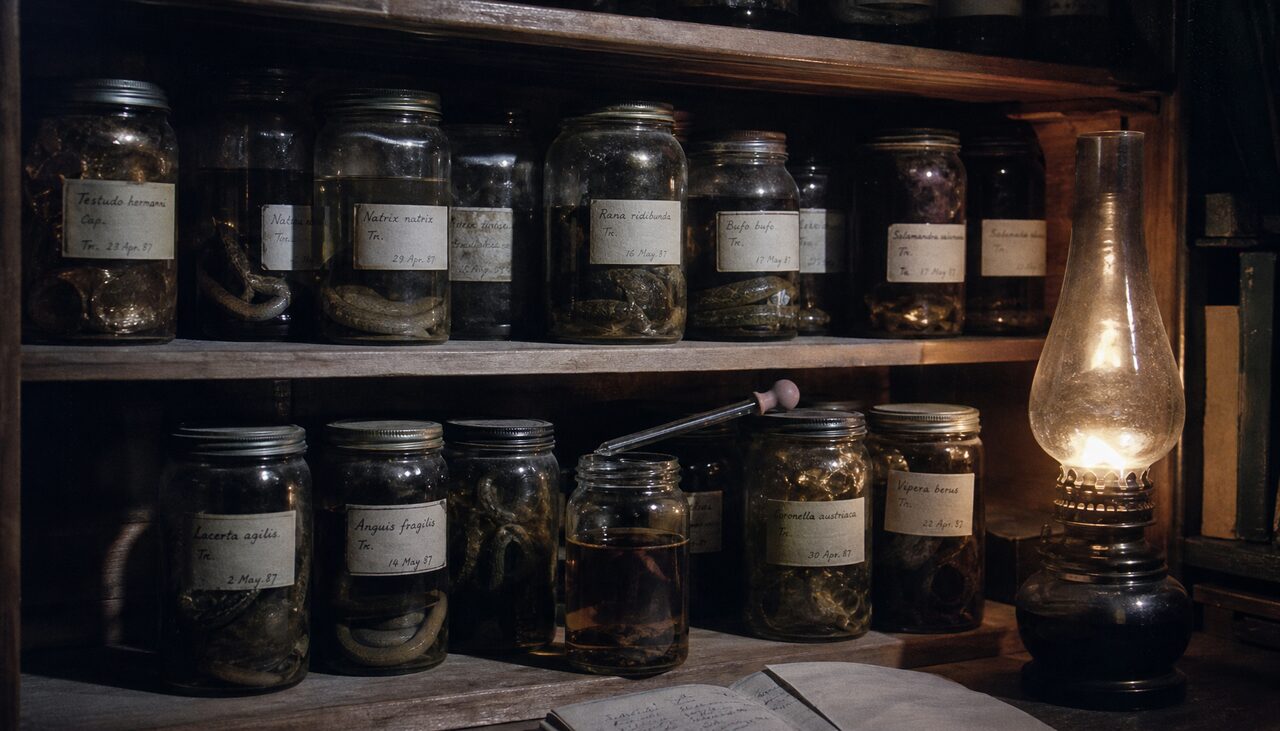
Dr. L. D. Kastenbine, of the Louisville Medical News, took a more comprehensive approach. He compared the sample's density to known mammalian tissue, ran chemical tests, and concluded the material was consistent with the flesh of a recently killed animal. By the standards of 1876 medical science, this was thorough work. He also set some of it on fire. It smelled, he reported, of rancid mutton. The two random men, chewing samples in a field, had reached the same conclusion the previous week. Frontier science, eventually, caught up.
Dr. J. W. S. Arnold also examined specimens and identified structures consistent with lung and connective tissue; his findings were published in the American Journal of Microscopy and Popular Science. All analysts agreed on the basic finding: the material was genuine meat. One observer, Leopold Brandeis, proposed it was nostoc — a cyanobacterium, essentially pond slime. This theory required the material to not be meat. The material was meat.
Other theories were proposed. One held that the material was frog spawn — amphibian eggs blown across the country by the wind, somehow re-classifying as lung tissue and cartilage on the way down. A humorist at the New York Times proposed it was cosmic meat, the flesh having originated on an exploding planet. He was joking. His theory was, for a stretch, taken seriously. None of these explanations stuck.
Then Kastenbine had a theory.
Coordination
Vultures. Turkey vultures and black vultures, both common in Kentucky, engage in projectile vomiting as a defensive behavior. When startled, a vulture empties its stomach — partly to lighten itself for takeoff, partly because a face full of partially digested carrion deters most predators. It is, anatomically, an elegant solution. The theory proposes that a large flock of vultures, flying high enough to be invisible from the ground, simultaneously disgorged their recent meals over the Crouch farm.
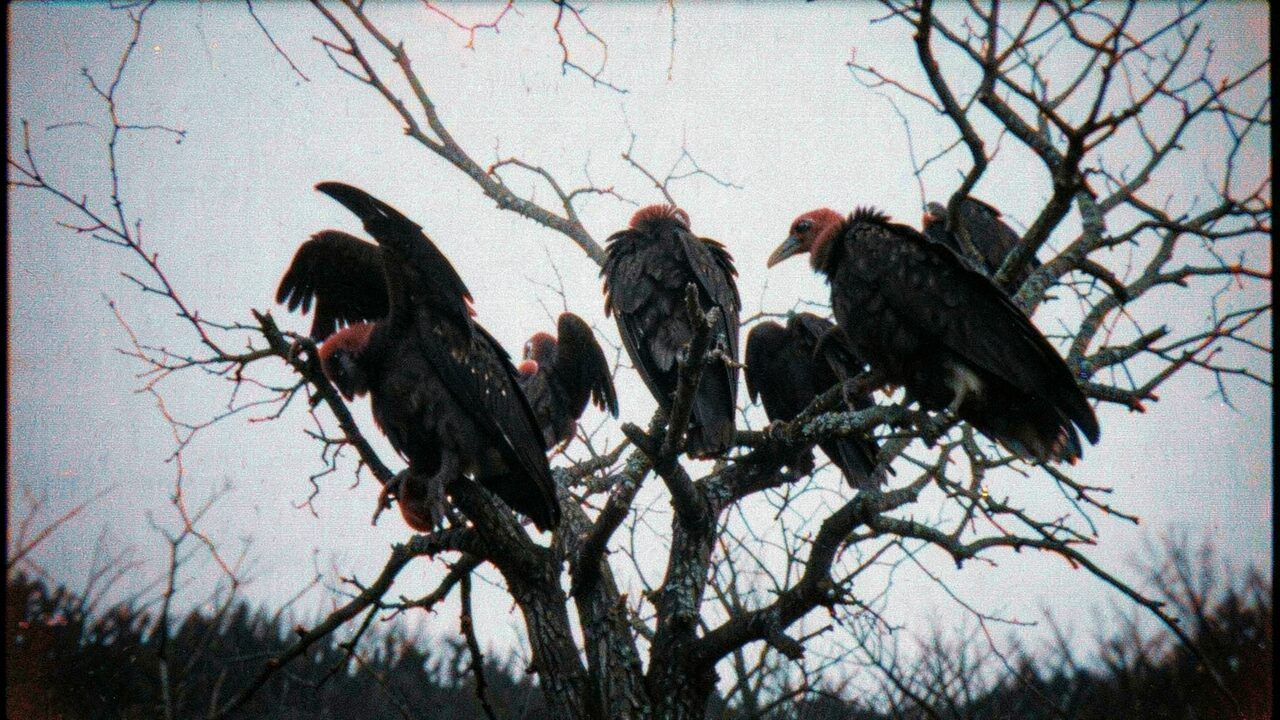
It also replaces one deeply strange image with another. A clear day in rural Kentucky. A woman making soap. And overhead, unseen, a formation of vultures executing a coordinated aerial regurgitation of sufficient volume to cover a 100-yard stretch of farmland in chunky carrion. The explanation is, technically, worse.
The Bath County event was not unique. A flesh fall was reported in San Francisco in 1869. Another in Olympia in 1876, the same year as Kentucky. Another in Memphis in 1877. Four reported protein precipitations in North America across roughly a decade — which is either a meaningful cluster, or a stretch of years during which the sky was, for unrelated reasons, holding a lot of meat it needed to get rid of. The record does not specify.
The vulture theory is plausible, supported by known animal behavior, and is generally cited as the leading explanation — to the extent that the scientific community has an opinion on a 150-year-old meat shower in rural Kentucky, which is a limited extent. But generally accepted is not the same as proven. No vulture flock was seen. The volume of material, enough to cover a strip of land 100 yards long, is hard to account for even with a generous estimate of flock size and stomach capacity. And the meat was fresh; partially digested material tends to dissolve, and Rebecca Crouch described it as fresh.
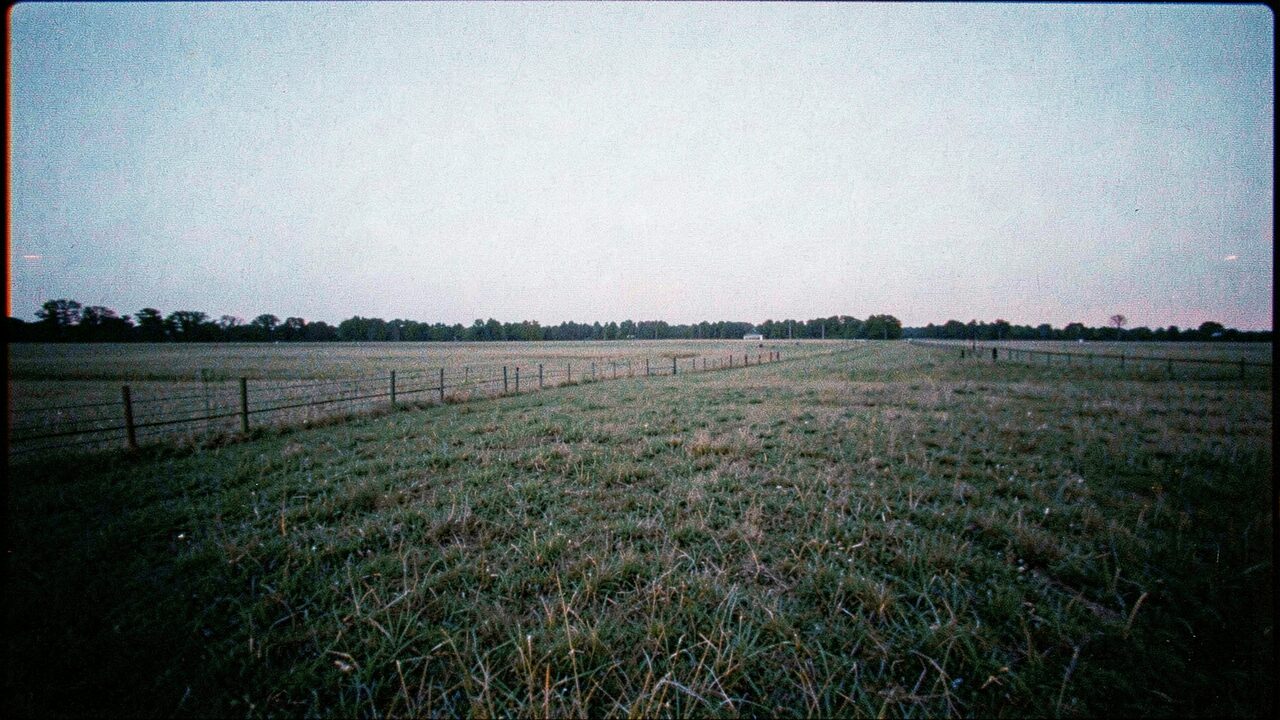
Then there is the coordination problem. A turkey vulture defensively vomits when startled. One vulture is nature. Thirty vultures vomiting in formation, over a 100-yard rectangle, for several minutes, is choreography.
Alternatives have been proposed, none with much conviction. Atmospheric transport — a tornado or waterspout lifting animal remains from one place and depositing them in another — explains documented falls of fish and frogs. But the weather on March 3, 1876, was clear, with no storms in the region. The supernatural and extraterrestrial explanations are noted and set aside. Whatever delivered it, the meat itself was from this planet.
The Crouch farm is, from available research, still there. The building is gone; the land exists. There is no marker. No plaque. No bronze statue. No small interpretive sign reading here, in 1876, the sky air-dropped roughly fifty pounds of deconstructed meatballs onto a woman making soap. Vultures, reportedly, are still occasionally overhead. They have not repeated the delivery.
The Jerky Drop
Later, the town of Owingsville corrected the oversight. In 2026 it held the 150th-anniversary Kentucky Meat Shower Festival. A Cessna flew low over a field beside a white split-rail fence and dropped 1,876 individually wrapped pieces of beef jerky. The wrapping was the key change — a hygienic interpretation of the sky giblet.
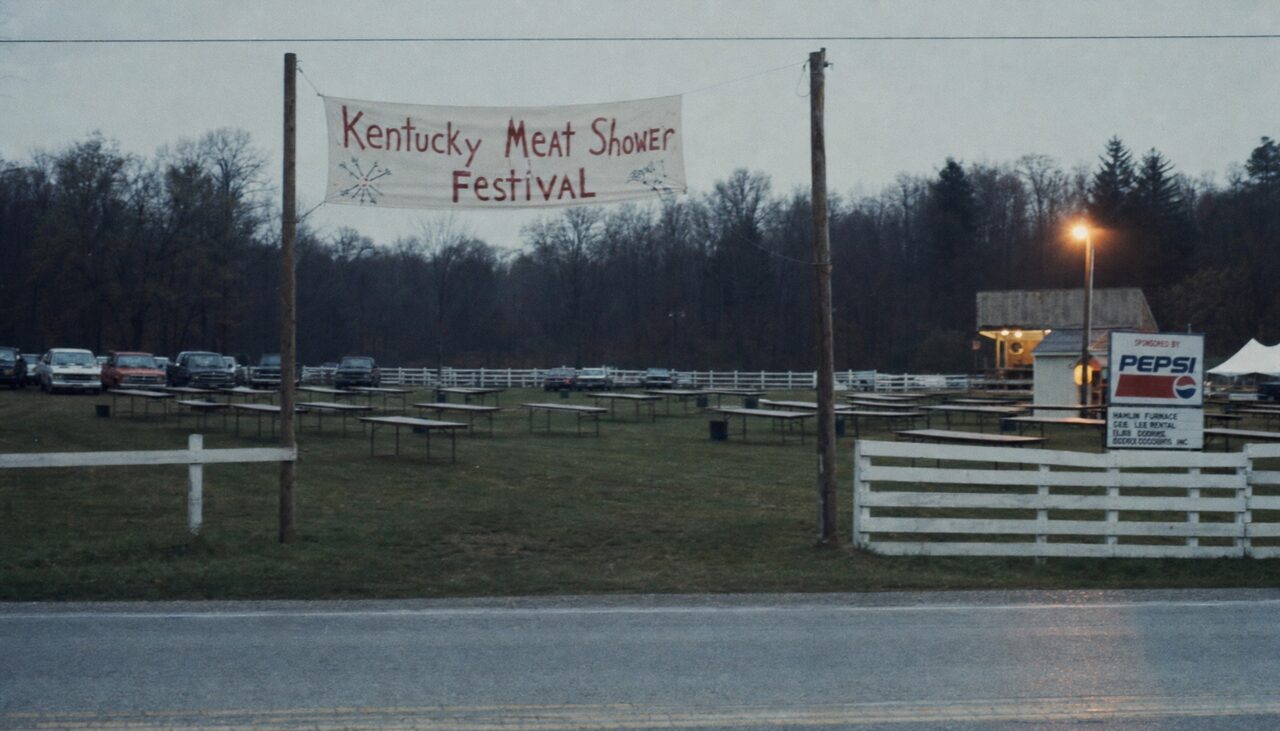
The event included a meatball toss, a bologna throw, and a mystery-meat chili cook-off. Each of the 1,876 pieces of airdropped jerky was numbered, and finders could redeem the number for prizes. At the town library, an author named Mick Sullivan read his children's book about meat falling from the sky to a room of children. The book is real. It is for sale. Attendance was, reportedly, strong.
A sample of the original 1876 material survives. It sits in a small glass jar at Transylvania University in Lexington, in the care of Professor Kurt Gohde, who has been studying the case for 25 years. The glycerine has, over 150 years, yellowed. The tissue inside is a dark fragment roughly the size of a fingernail. At the 2026 festival, the jar was returned to Bath County for public display. Visitors could look, through glass, at a piece of sky-meat older than the state fair. The line, reportedly, moved quickly.
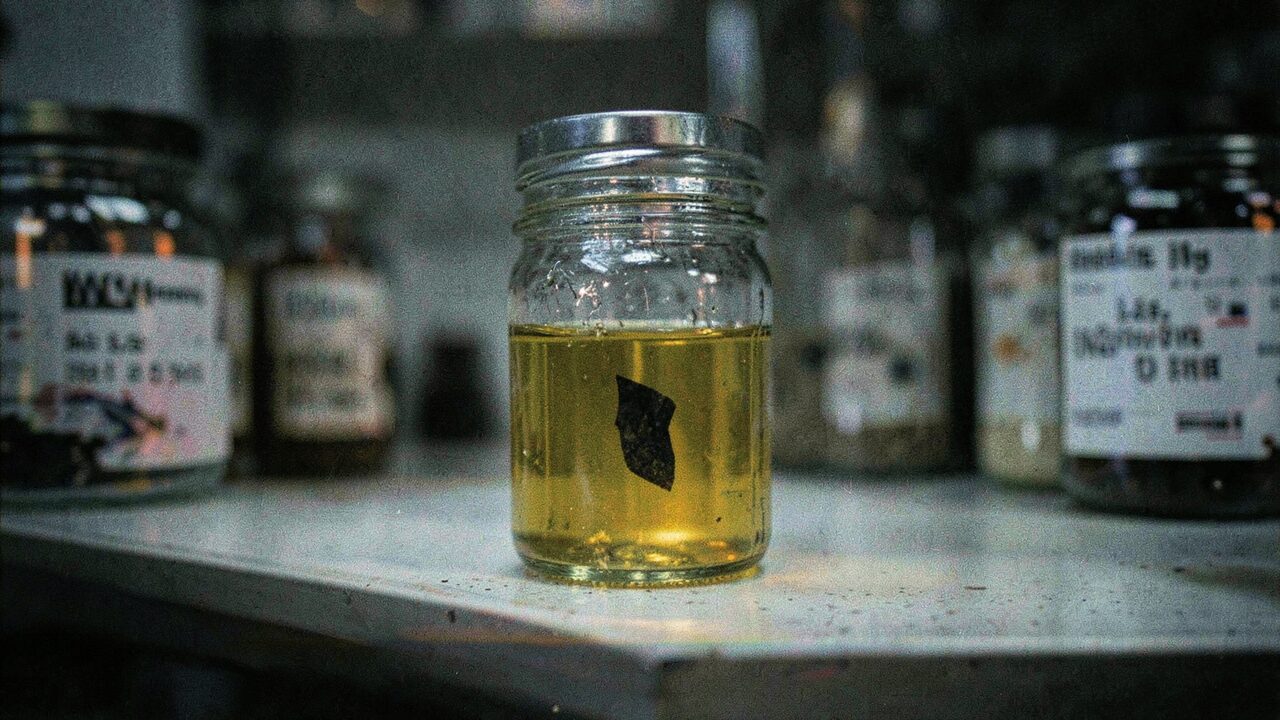
DNA testing has been performed on the sample. The result, according to Gohde, was inconclusive. The closest match was goat — inconclusive, but goat-adjacent, which in animal-DNA terms is also goat. Edwards's nineteenth-century report identified the lung tissue as consistent with a human or a horse. The genetic test, 150 years later, says goat. Combining the available answers produces Mr. Tumnus.
The analysis stands. The tissue was real. The lungs were lungs. The cartilage was cartilage. Two men confirmed it tasted like venison. Or mutton. They were not sure, god help them. The vultures, if they were there, have not repeated the event. Some cases close not because they are solved, but because there is nothing left to do except stop talking about the meat that fell from the sky.
At least cook it first.
Sources & Case References
- Scientific American — "The Kentucky Shower of Flesh" (July 1, 1876)
- Scientific American — "The Kentucky Meat-Shower" (July 22, 1876)
- Scientific American — "The Great Kentucky Meat Shower mystery unwound by projectile vulture vomit" (2014)
- WEKU / NPR — "Kentucky Meat Shower 150th anniversary draws hundreds to Bath County" (Mar. 6, 2026)
- WKYT — "A chunk of history returns home 148 years after Kentucky meat shower" (Aug. 10, 2024)