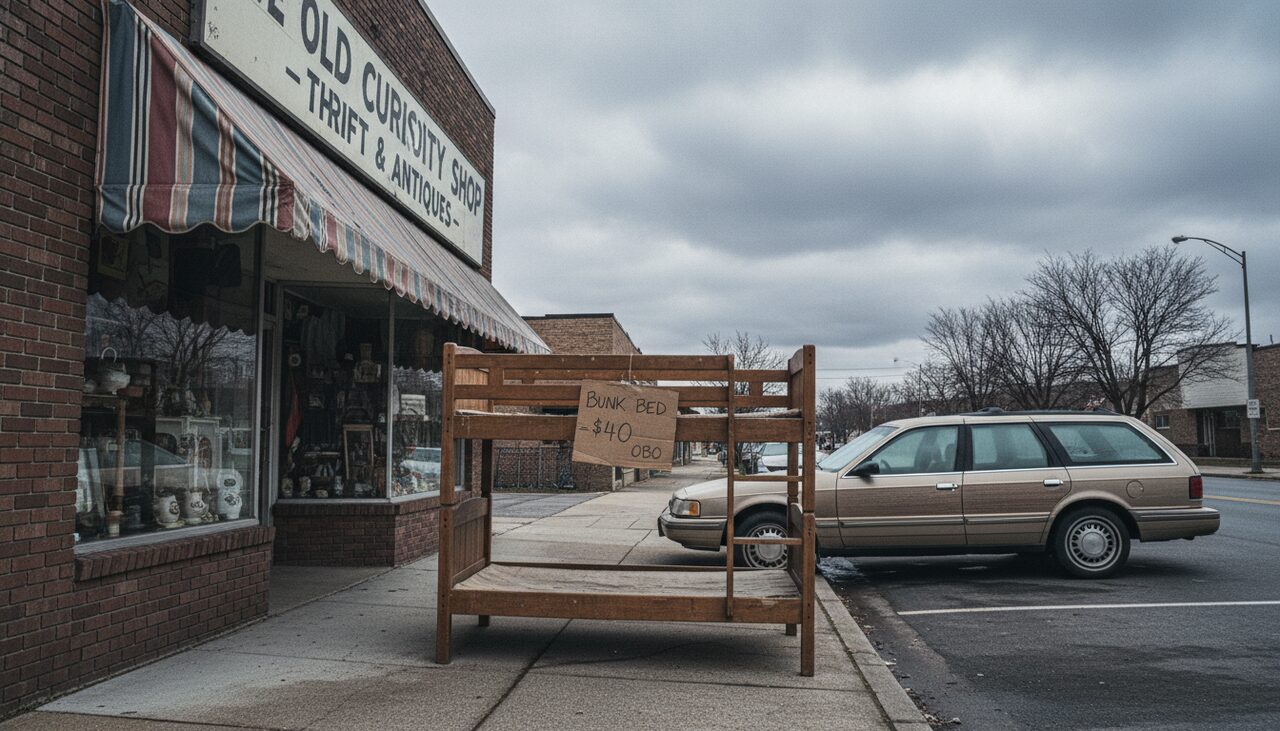
In 1987, Allen and Debbie Tallman bought a secondhand wooden bunk bed at a thrift store in Horicon, Wisconsin, for two of their three children. Within weeks, the children's clock radio was changing stations by itself. Within months, the children said a tall woman with a green face was standing at the foot of the bed at night. The following January, the family left the house, destroyed the bed, and reported that everything stopped.
That is the entire case. The family bought spooked furniture, the furniture haunted their house, they destroyed the furniture, the activity ended. It is either completely absurd or disturbingly simple, depending on which end you read from. There is no chapter two.
The Town
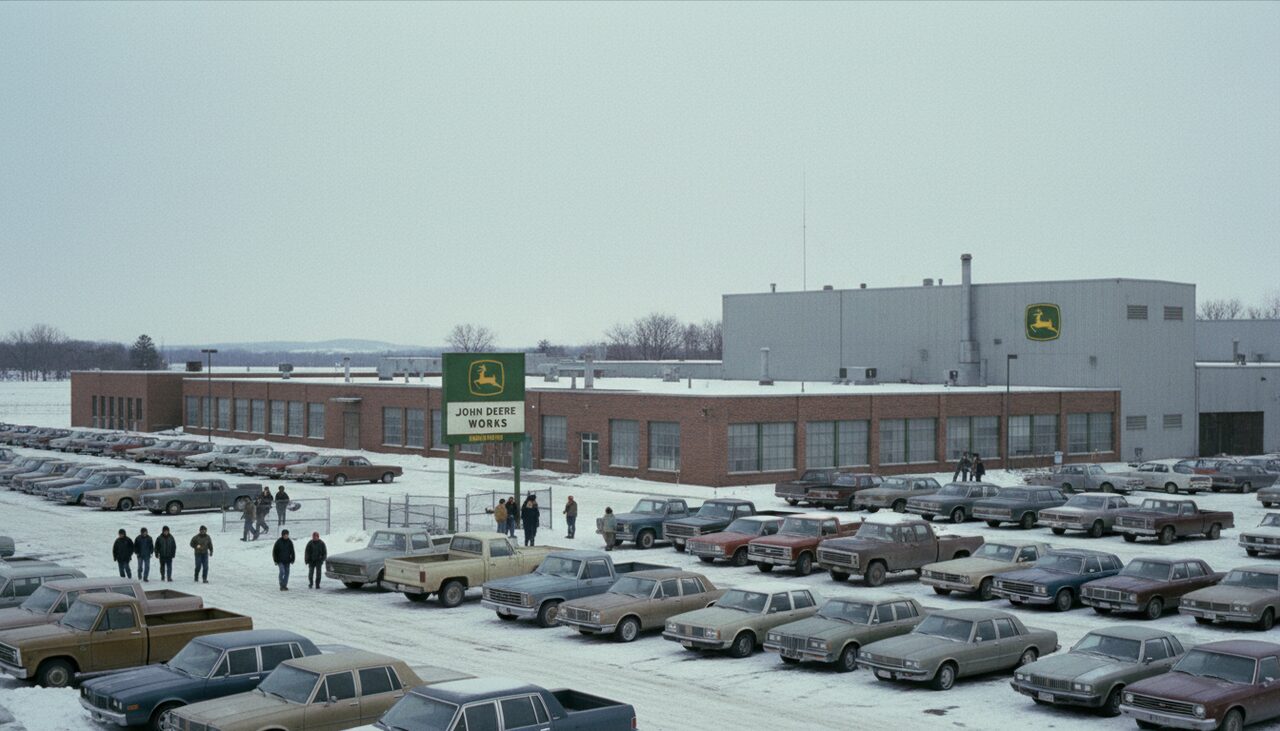
Horicon is a town of roughly 3,600 people in Dodge County, about 50 miles northwest of Milwaukee. It is best known for the Horicon Marsh, a 33,000-acre wetland that serves as a major stopover for migratory birds and is, by most accounts, very peaceful. The town also had a John Deere plant. Downtown is a few blocks of small businesses along Lake Street. It is not the kind of place where the unexplained tends to file paperwork.
Allen and Debbie Tallman lived in a modest house on the edge of town with their three children. Allen reportedly worked at the John Deere plant. Debbie was described as a homemaker. By every available description they were an ordinary working-class family: no public profile, no media connections, no history of unusual claims. When the bed came home, no one wrote down where it had been before. Thrift stores in small Wisconsin towns do not keep that kind of ledger. No one knows who owned it, where it was built, or what, if anything, happened in its vicinity.
The Radio
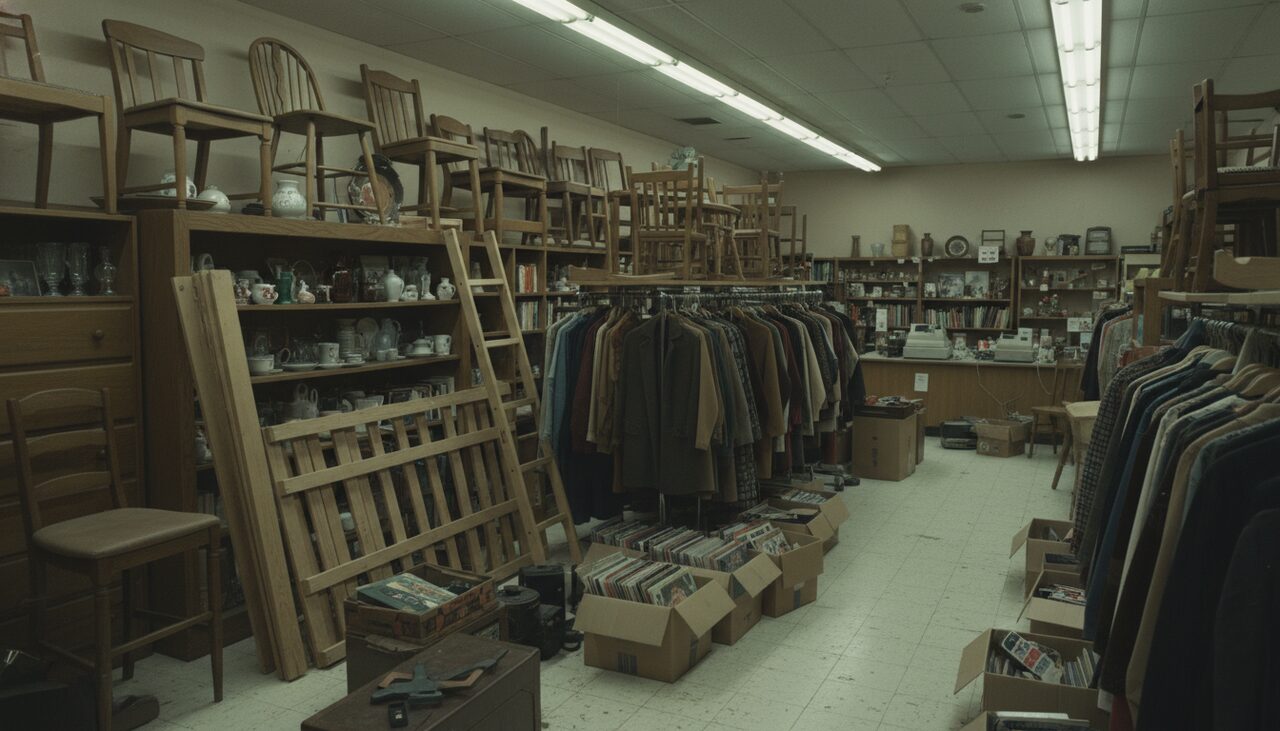
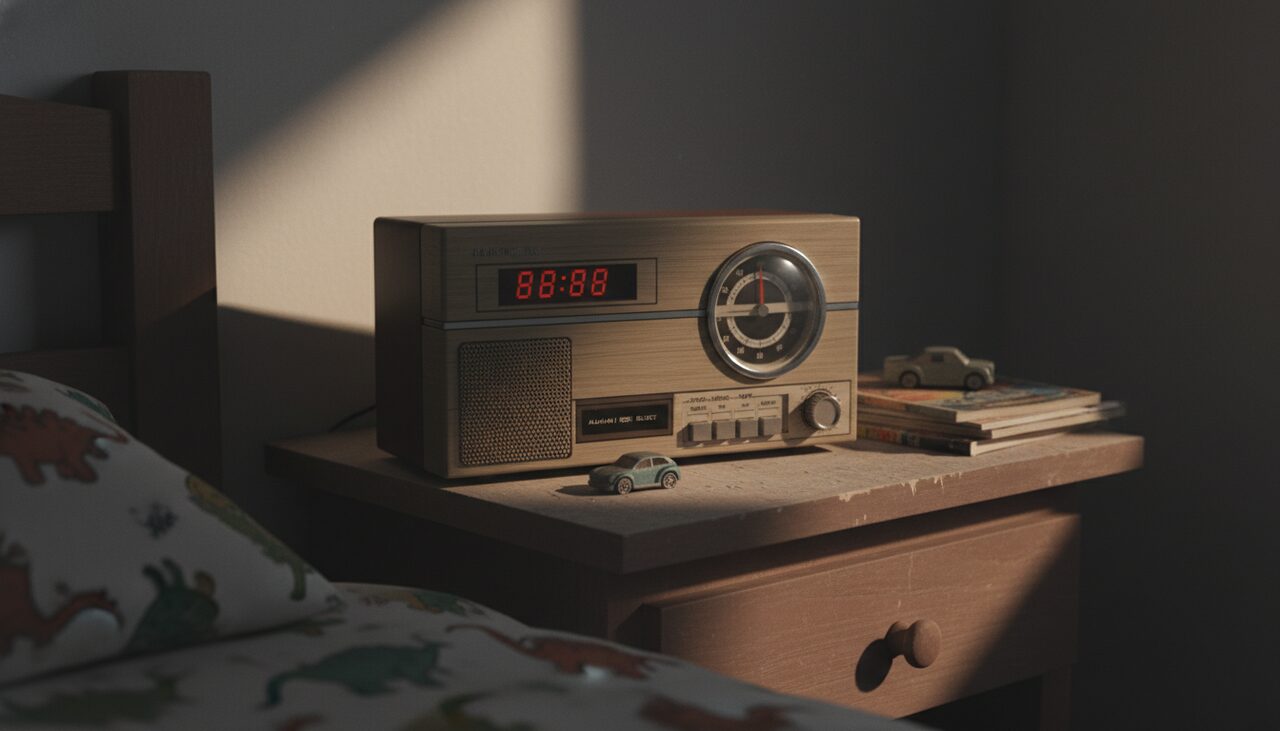
The first event was, by haunting standards, unremarkable. The clock radio in the children's room began changing stations on its own. It cycled through frequencies, landing on stations the family did not listen to, sometimes stopping on static, sometimes producing what Debbie described as garbled voices. They replaced the radio. The new one did the same thing.
The Tallmans did not jump to the supernatural, which is the reasonable response and also the boring one. You do not buy furniture and assume it is cursed. You assume the radio is broken. You assume the house has a draft. According to available accounts, the family spent the first several weeks replacing batteries, checking wiring, and telling the children it was nothing.
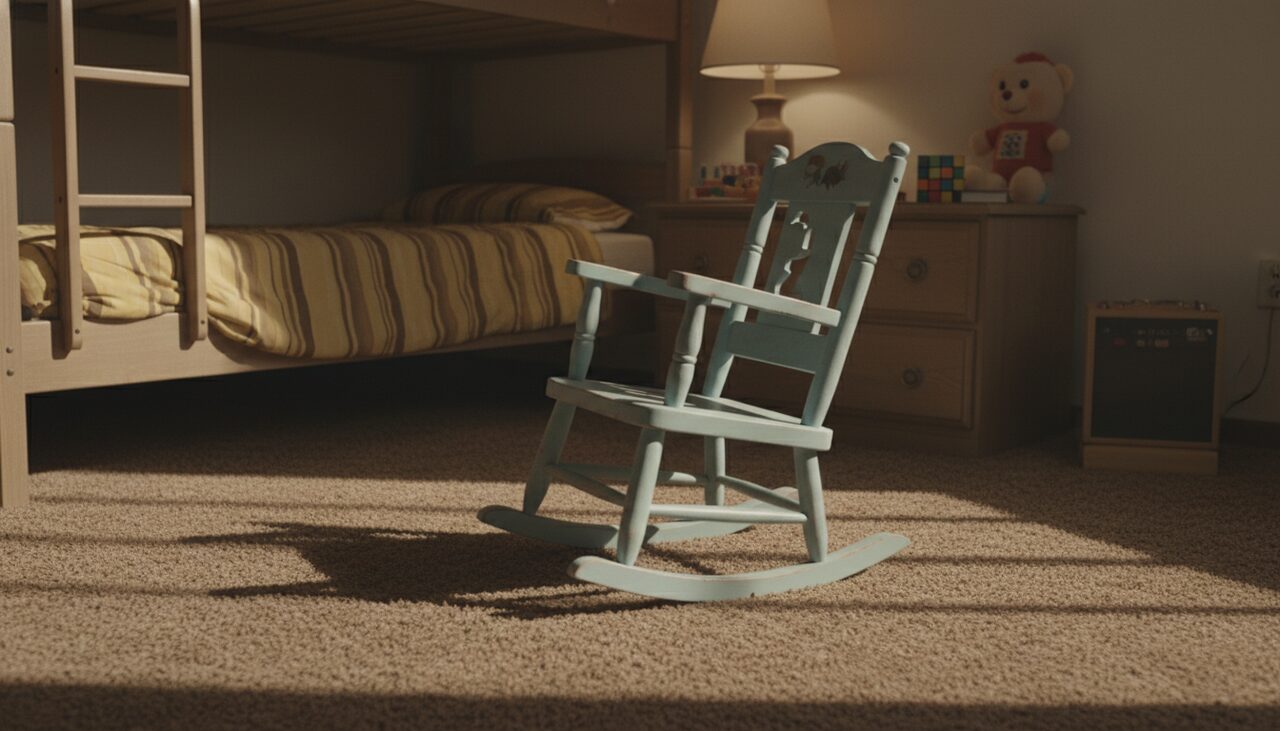
Then the children's rocking chair began rocking on its own. Not the settling motion of a chair on an uneven floor, but a sustained, deliberate rocking, as if someone were sitting in it. Both the parents and the children reported seeing this.
The Witch
Then the children began seeing the figure. They described a woman standing in their room at night. She was tall, with long dark hair. Her face, described consistently between the children and across multiple tellings, was green: not sickly green, but a vivid, unnatural green. The children called her "the witch." She appeared near the bunk beds. She did not speak. She watched them.
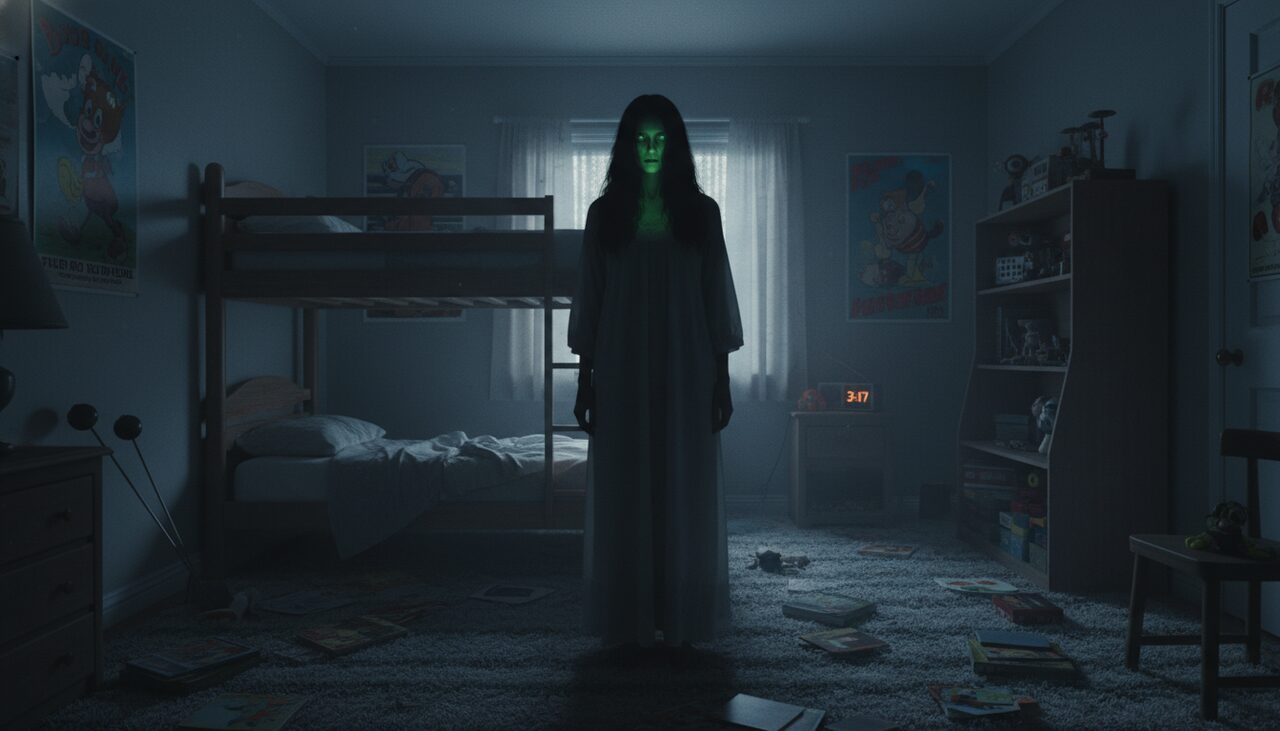
The children were, by all accounts, genuinely frightened, not in the performative way of kids telling ghost stories at a sleepover. They refused to enter the bedroom. A nine-year-old slept on the floor of her parents' room rather than go near the bunks. Debbie reportedly described finding her daughters awake and rigid, staring at a corner of the room. They did not scream. They did not run. They watched the thing that was watching them.
Allen and Debbie responded the way most parents would: first with reassurance, then with concern, then by sleeping in the children's room themselves to prove nothing was there. It is unclear whether the figure appeared on those nights. What is clear is that the parents stopped dismissing the reports.
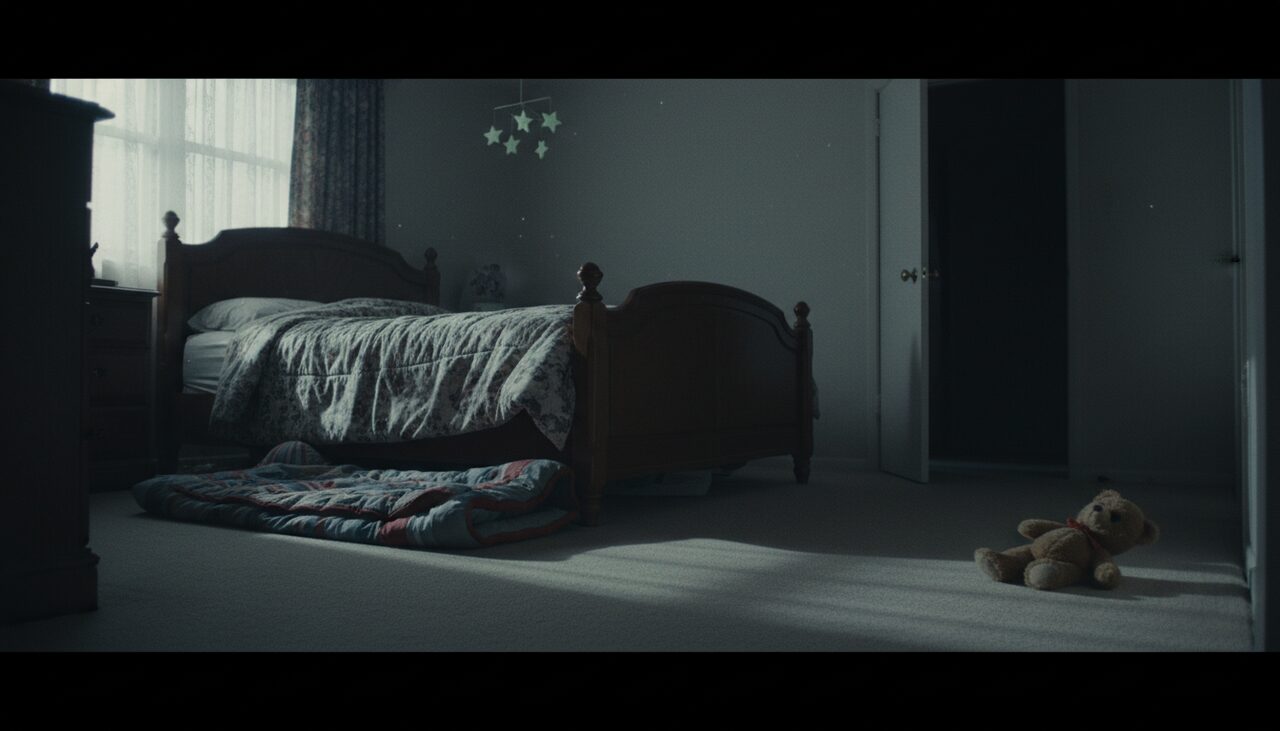
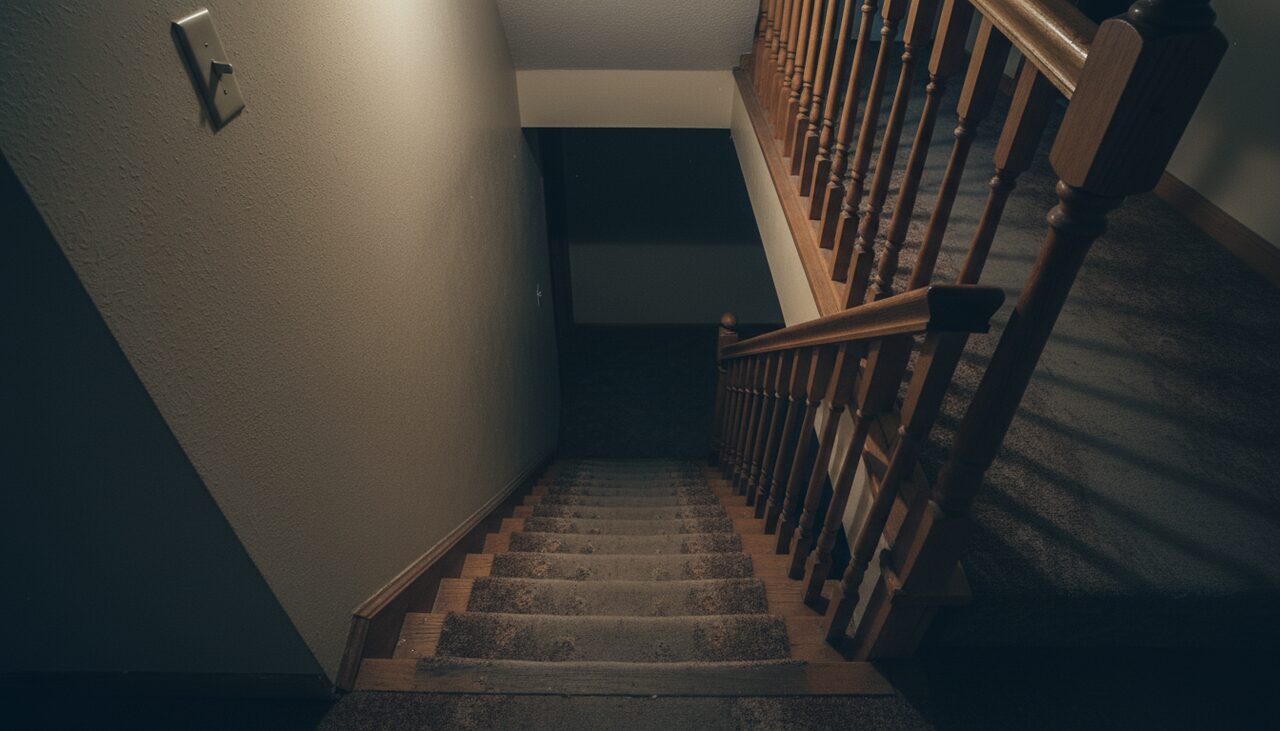
The phenomena escalated. The garage door began opening and closing on its own, not once or twice but repeatedly, at all hours. Allen checked the mechanism, the remote, and the wiring. Nothing was wrong with the system. The door kept misbehaving. Both Allen and Debbie reported physical sensations: pressure on their shoulders, the feeling of fingers on their arms. Allen described being pushed while standing near the top of the basement stairs, not hard enough to fall, hard enough to notice. The basement also carried a persistent foul smell, described as rotting meat or sulfur. No source was ever found.
The whole sequence is compressed. From the first radio incident to the fire, the events reportedly spanned roughly nine months, from early spring of 1987 to January 1988. That is not the slow burn of a gothic novel. That is the length of a school year. The children went through an entire autumn and an entire holiday season while their bedroom contained something their parents could neither explain nor remove.
The Fire
In January 1988, on a night whose exact date is not consistently reported, Allen Tallman was in the basement when he reported seeing flames, actual visible fire, erupting from a section of the floor and walls. He ran upstairs and called the fire department.
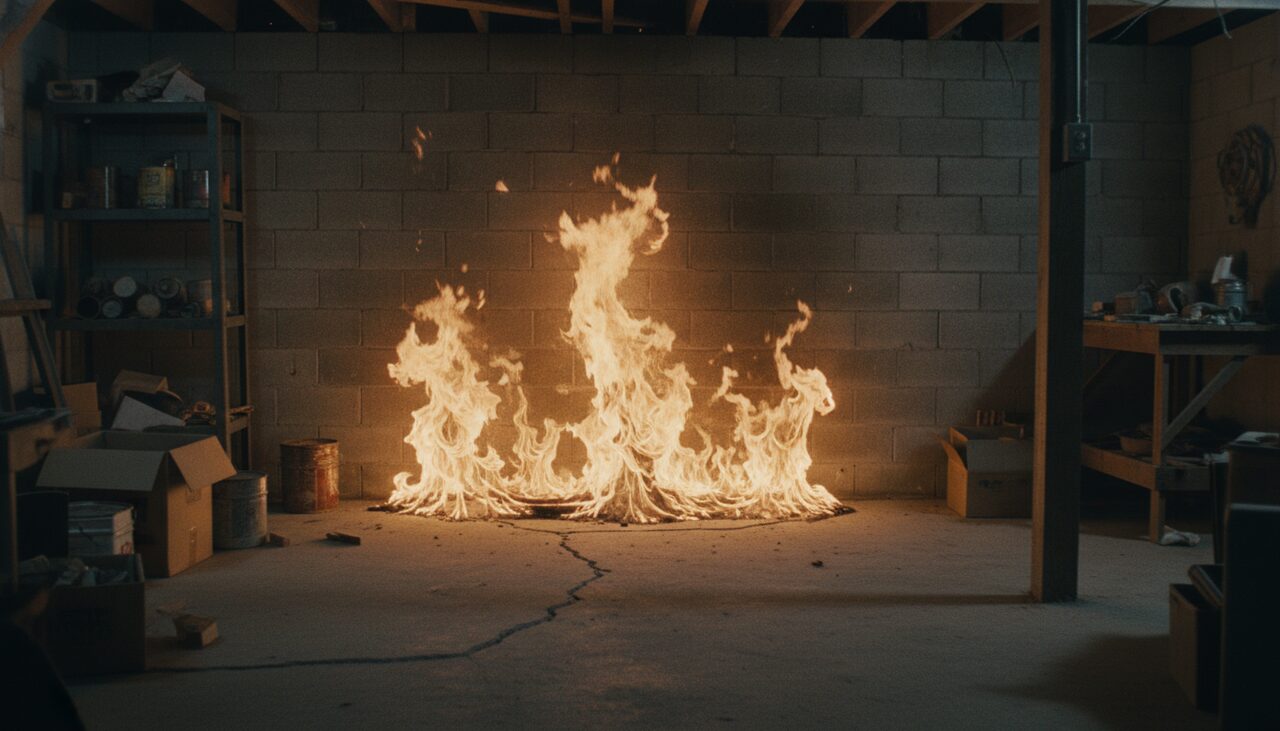
The Horicon Fire Department responded. According to reporting by Unsolved Mysteries, which covered the case in a 1989 episode, the department confirmed the call. They found no fire. No burns. No electrical fault. No mechanical cause. They offered no explanation. The Tallmans left the house that night and did not return.
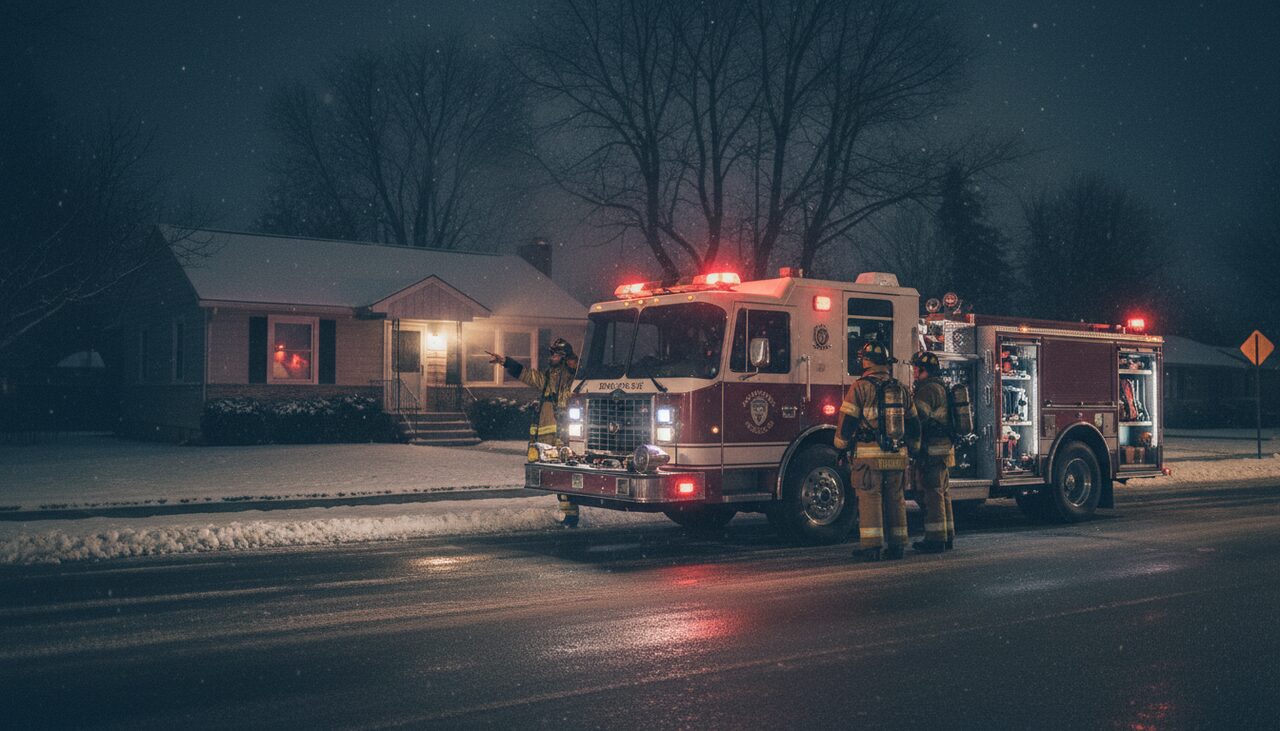
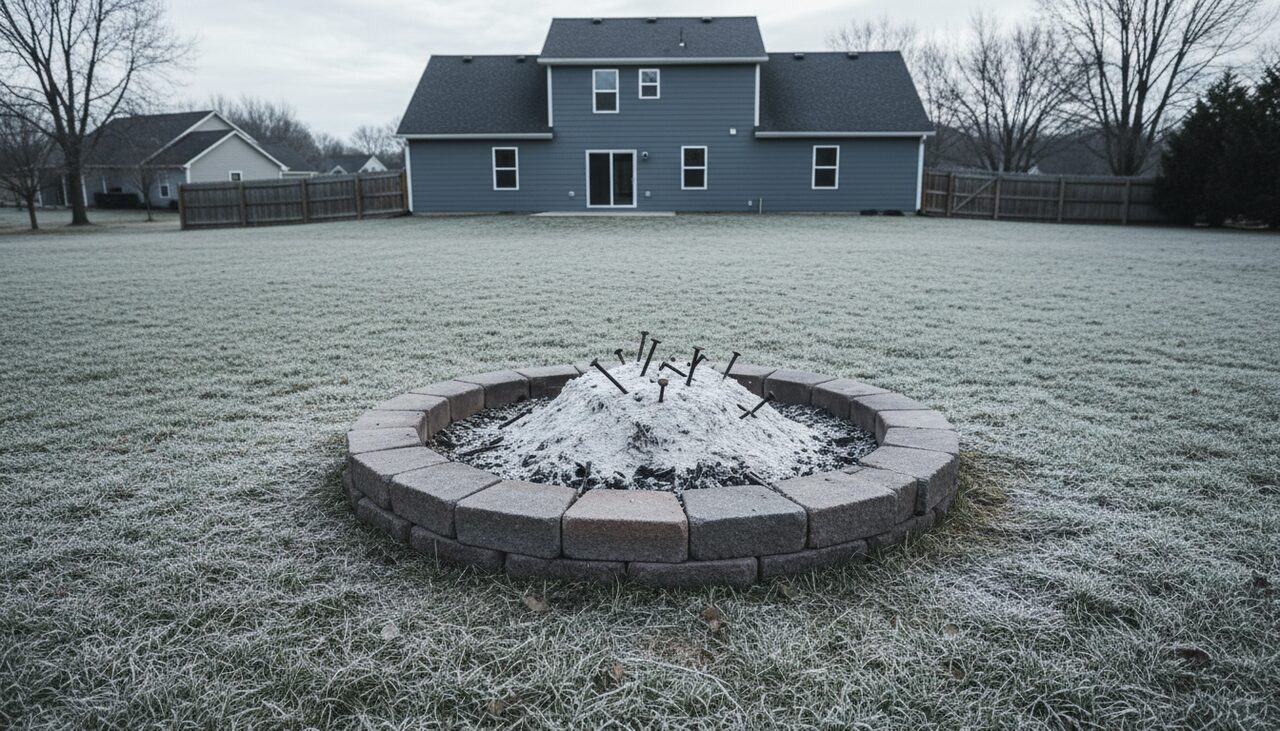
The contemporary record supports at least the shape of this. United Press International ran a story on January 27, 1988, headlined "'Spirits' drive family from home." Police Chief Douglas Glamann was quoted at the time as believing the family had been through a genuine ordeal, which is a careful thing for a police chief to say and notably not the same as endorsing a ghost. According to their accounts, given to Unsolved Mysteries, to local media, and to later investigators, the Tallmans removed the bunk beds and had them destroyed. Debbie said the beds were buried in a private landfill.
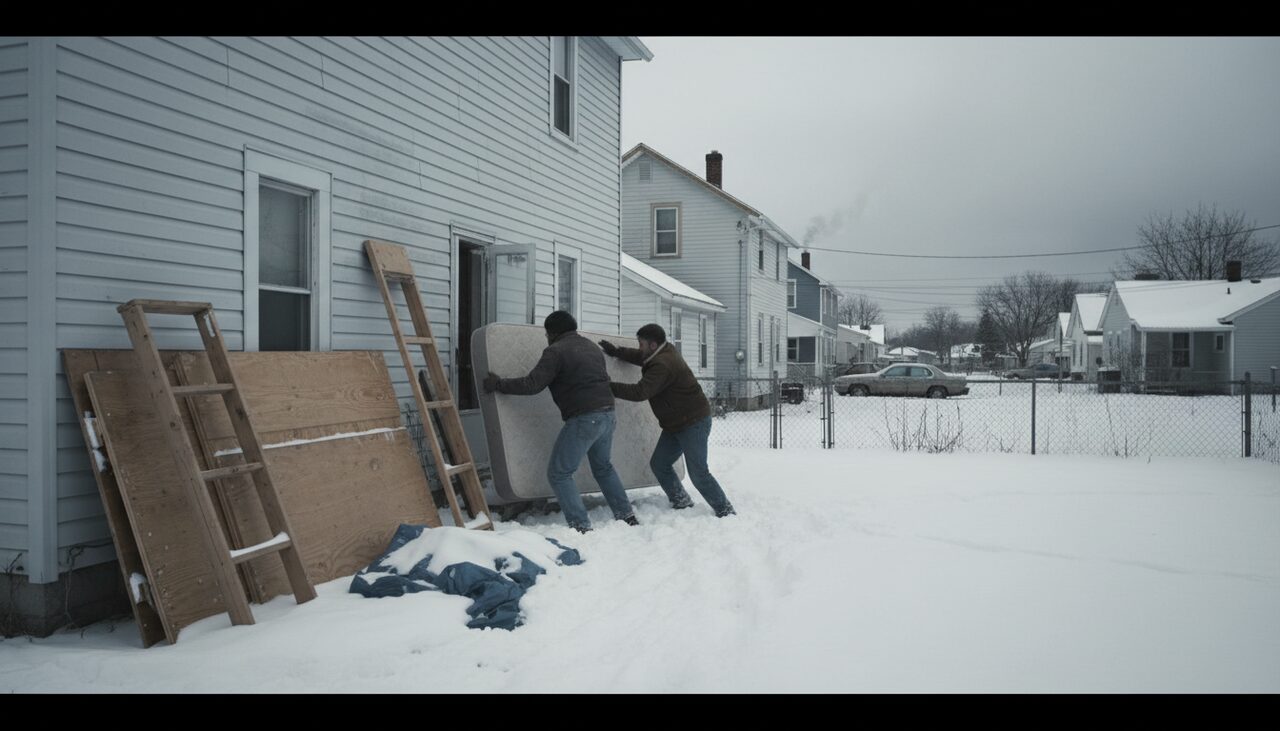
After the beds were gone, the activity stopped. Completely. No radio interference, no rocking chair, no figure, no garage door, no fire. The family moved to a new home in the Horicon area and never reported anything again.
Every Pillar But One
The skeptical reading rests on a few pillars, and most of them hold. Radio interference in rural Wisconsin in 1988 is not paranormal: analog AM and FM signals in low-population areas are vulnerable to atmospheric skip, nearby industrial equipment (the John Deere plant was not far), and the general unreliability of the technology. A radio changing stations is unusual, not inexplicable.
Children see things, too. A glowing woman in a dark bedroom, reported by children under ten, is difficult to evaluate as evidence. Children are suggestible. Nightmares bleed into waking memory, and one child's report can shape another's. The "witch" may have been a shared nightmare, amplified by a household already on edge, or moonlight through curtains seen through sleep. And old houses have smells, old wiring produces faults, and old garage door mechanisms fail. A working-class home in a small Wisconsin town in 1988 is not infrastructure that rules out the mundane.
The pillar the skeptical case leans on hardest is the television. The Tallmans appeared on Unsolved Mysteries, and once a story is told publicly it tends to set. Details that were uncertain become definitive. The sequence tightens. The story becomes a legend.
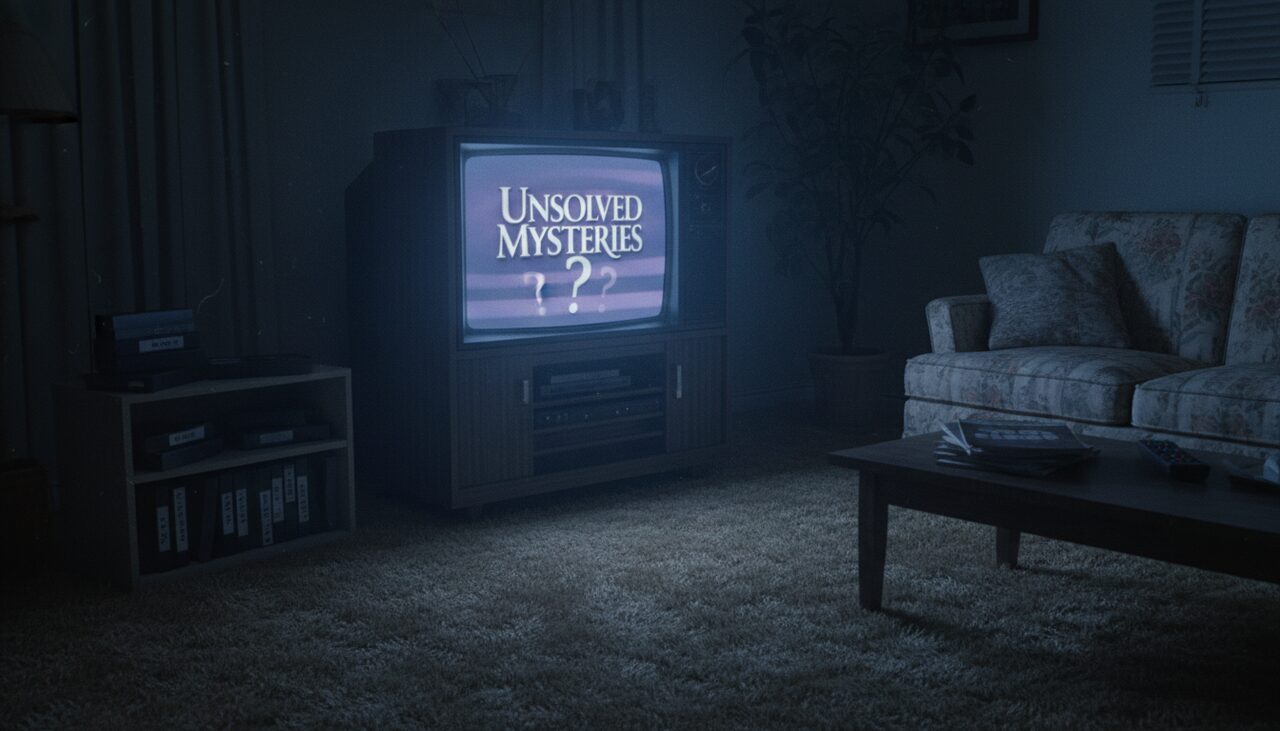
The 1989 episode brought national attention to a small-town haunting, complete with reenactments and a synthesizer soundtrack engineered to feel unsettling. The Tallmans reportedly cooperated but were uncomfortable with it. They did not want to be famous. They wanted to stop being haunted, which they had already managed before the cameras arrived. That detail cuts against the hoax reading: the publicity came after the relief, not before it.
All of this is reasonable. None of it accounts for the fire department call. The Horicon Fire Department came to the house, confirmed the response, and found no cause. A family does not call the fire department as part of a hoax, not in a town this small, where the firefighters are your neighbors and the cost of a false alarm is social as well as procedural.
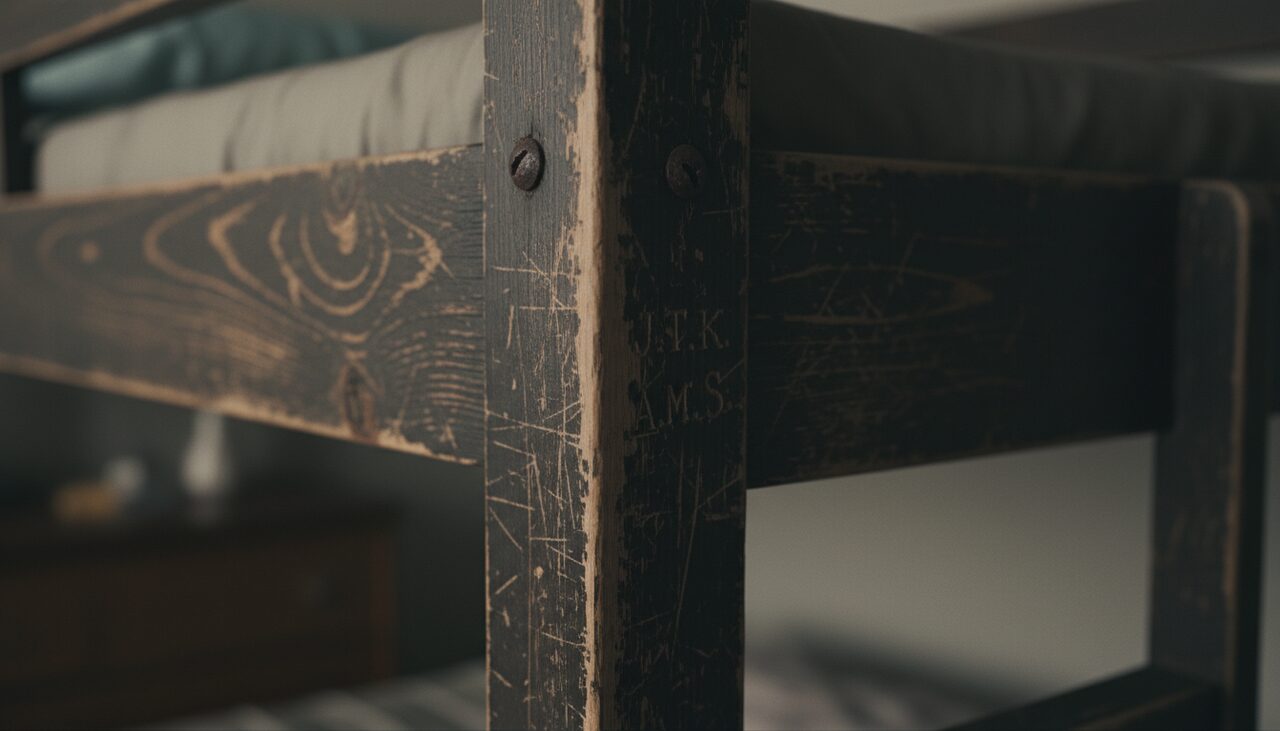
The object correlation is the hard part. The bed was the only variable that changed. Nothing before, nothing after. The paranormal explanation, that the bed was an object of attachment for a spirit and that destroying it severed the attachment, has deep roots in folklore and no support in any scientific discipline. Objects do not carry spirits. Wood does not retain consciousness, whatever the yard-sale insistence that age and scuffs imbue a thing with character. Burning the beds offered the family catharsis and escape regardless of whether there was any material reason for it to work.
The idea is not even particularly American. Japanese tradition holds that tools and household items can develop spirits after a hundred years of use, the tsukumogami. European folklore is dense with cursed heirlooms and possessed relics. The pattern recurs everywhere: an object enters a space, disruption follows, the object is removed, order returns. Whether that means haunted objects are real, or that the human brain is very good at blaming the newest thing in the room, depends entirely on what you were prepared to believe before you walked in.

The Tallmans were not consulting the folklore. They were a factory worker and a homemaker whose children were seeing a glowing woman in their bedroom. They burned the beds. It stopped. The logic was pre-scientific and completely effective.
Conclusions
The Tallmans bought secondhand furniture for their kids. They did not seek publicity, did not write a book (though their story later appeared in one), and gained nothing from the affair except the cost of replacement beds and a house they had to leave. By the standard measure of paranormal hoaxes, there was no payoff.
The case is largely forgotten now. It lacks the longevity of the Amityville Horror and the cultural footprint of the Enfield Poltergeist. No one built a franchise from it: no sequels, no cinematic universe, no themed escape rooms. It survives in listicles and the occasional Reddit thread, filed under "lesser-known hauntings" alongside cases with more drama and less resolution. The simplicity is exactly what makes it hard to dismiss. Most haunting stories end ambiguously, with the family moving and the activity continuing and everyone arguing forever. The Tallman case ends with a receipt: buy furniture, get haunted, destroy furniture, stop being haunted. It is the only paranormal case on record with a clear return policy.
Whether the beds were haunted or the Tallmans were mistaken, the outcome is the same. They identified a problem, applied a solution, and the solution held. The available record does not say why. It says only that the family put the issue to bed.
Sources & Case References
- UPI Archives — "'Spirits' drive family from home" (January 27, 1988)
- Unsolved Mysteries, "Tallman Haunting" segment (1989)
- Milwaukee Journal and Horicon Reporter, contemporaneous coverage (1988)