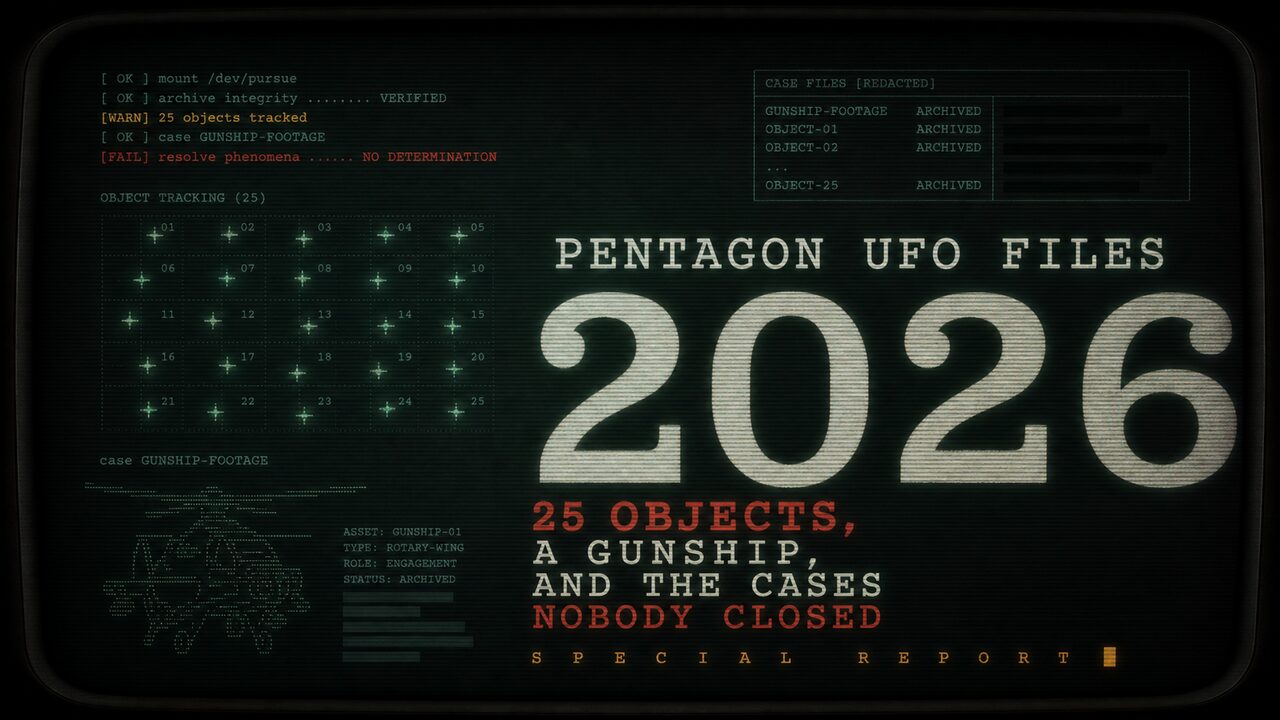
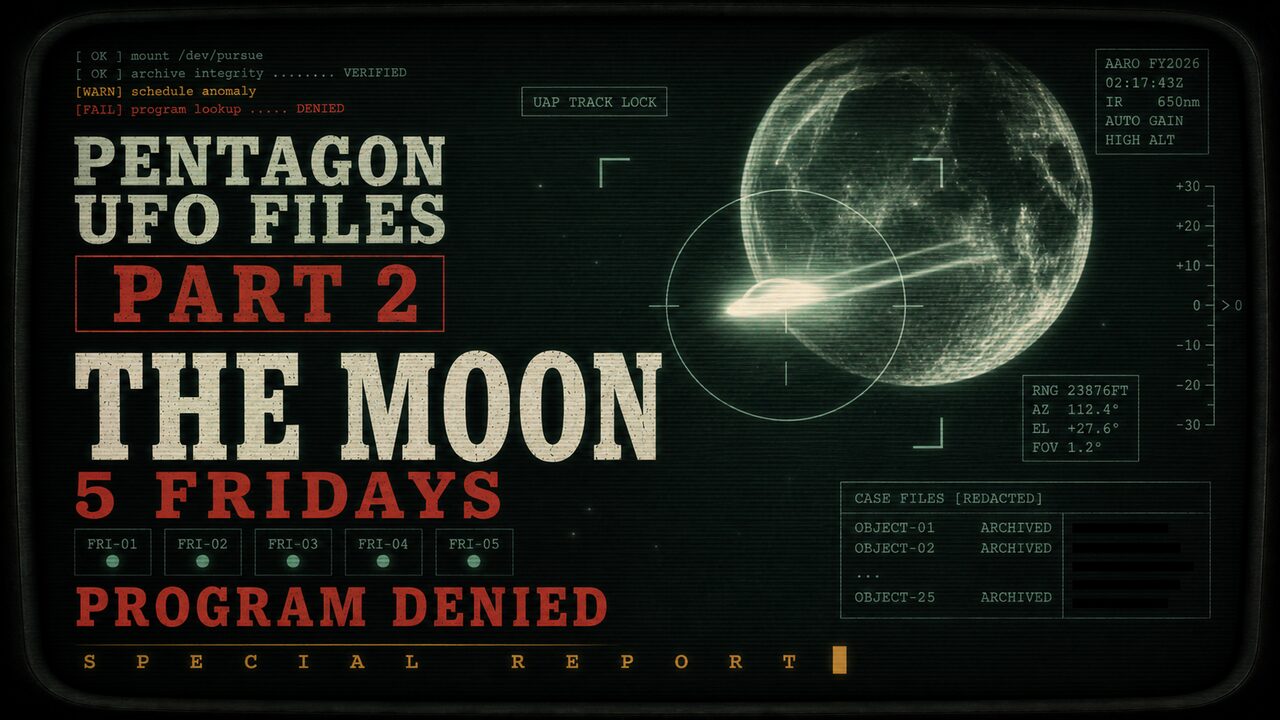
In early November 2004, the radar aboard a US guided-missile cruiser off the coast of Southern California began tracking objects it could not identify. They appeared at 80,000 feet — above the operating ceiling of any publicly known aircraft. They descended to sea level in under a second. They hovered. They climbed. They left. The next day, at roughly the same time, they came back. They came back again and again for two weeks.
The most advanced military in human history chased something it could not catch, and has been trying to describe what it was ever since.
The Scope
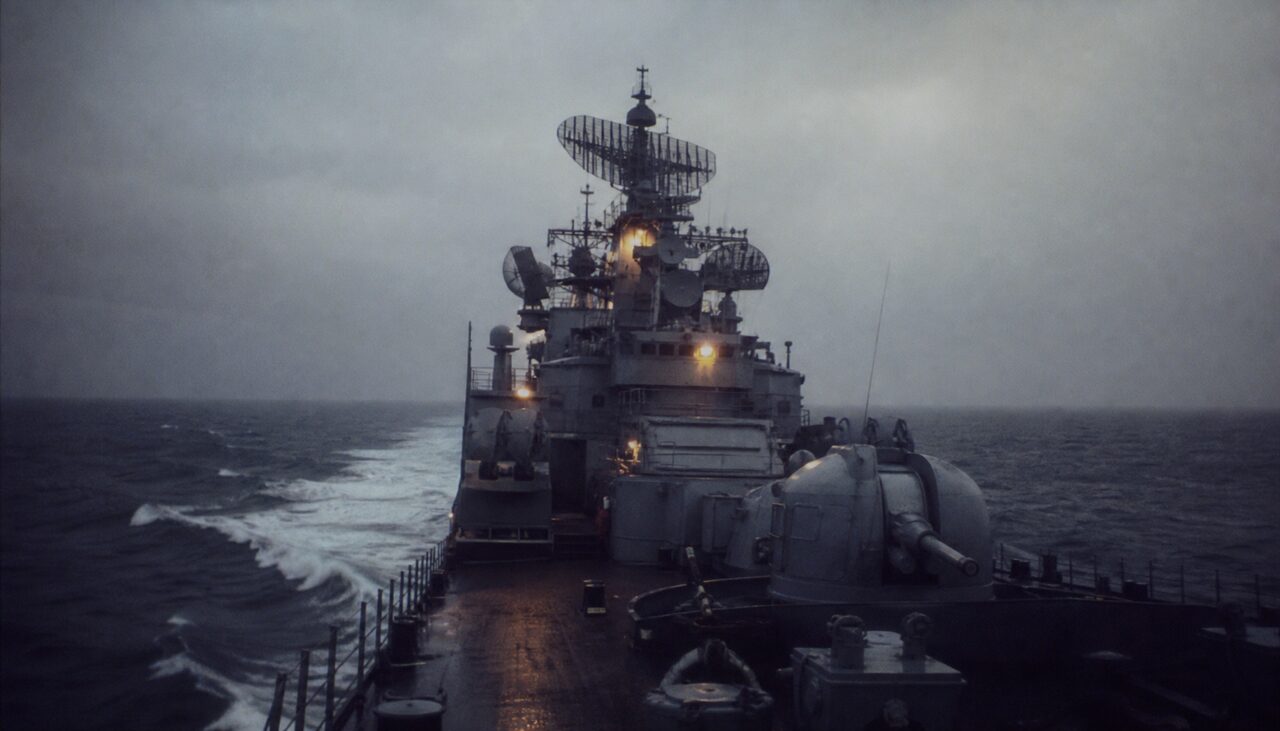
The radar operator was Senior Chief Kevin Day, aboard the USS Princeton. The Princeton was running the SPY-1B, the most advanced naval radar the United States Navy fielded at the time. Day's job was to watch for things that should not be in the sky. Starting around early November 2004, his scope began showing things that should not be in the sky.
The tracks appeared at roughly 80,000 feet, dropped to sea level in under a second, hovered, climbed, and disappeared. Then they returned the next day at the same time, like a work commute. A single anomaly is a glitch. A schedule is something else.
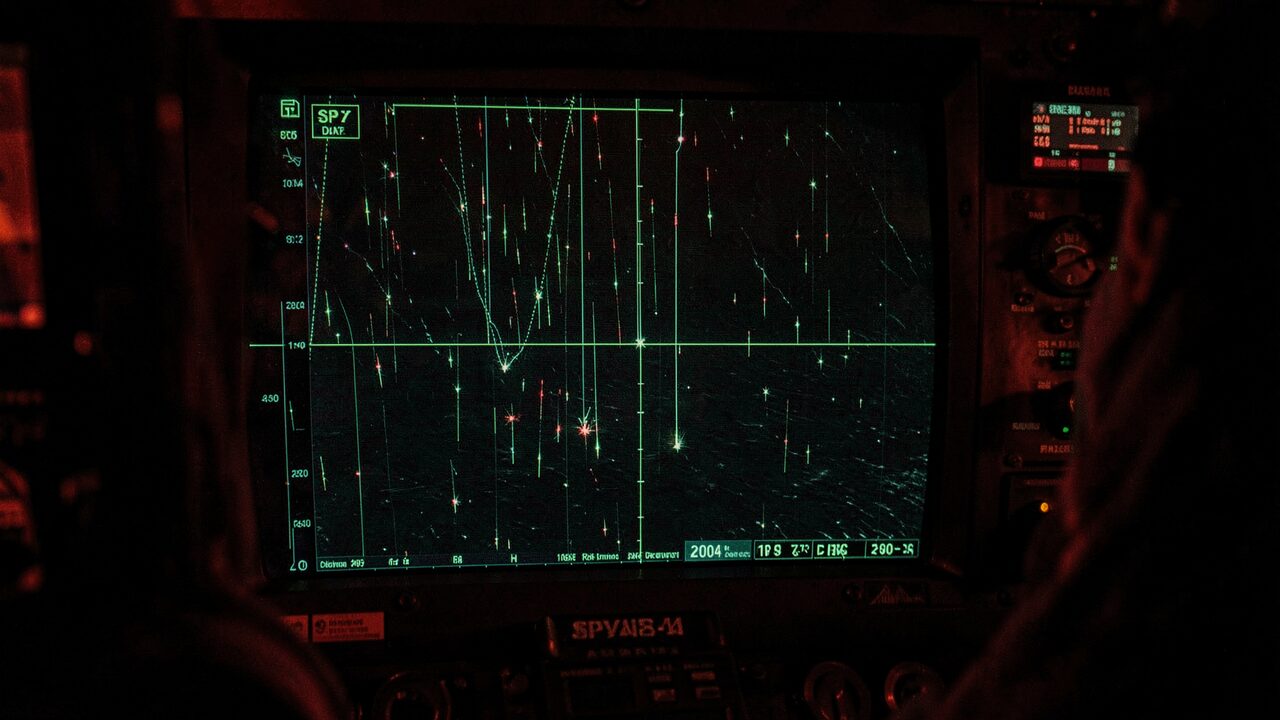
Day was not alone in noticing. Master Chief Sean Cahill, aboard the Princeton on a separate watch, has since stated publicly that he saw the same tracks on the same scopes. Two senior radar professionals in a Combat Information Center seeing the same impossible thing is not comforting. It rules out the comforting answers. Equipment glitches do not typically wait for the next senior chief to walk into the room before they appear.
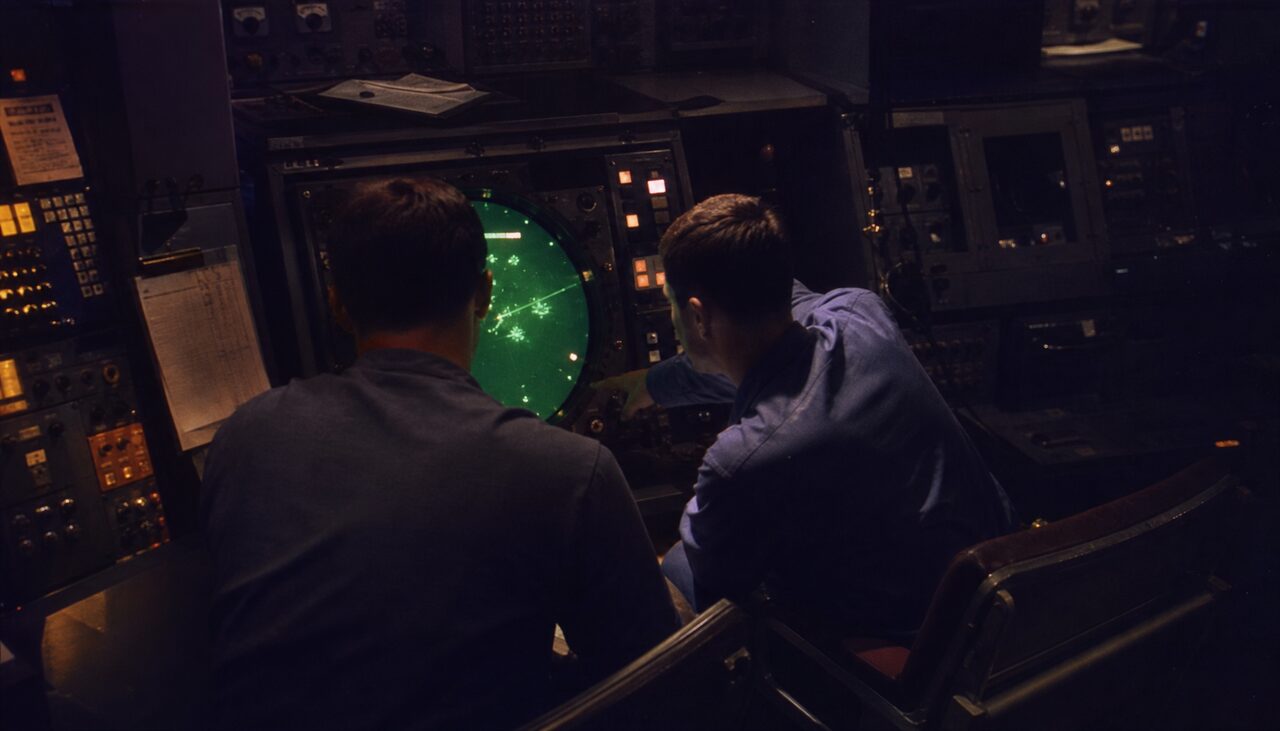
The first assumption was equipment failure. The Princeton's radar was recalibrated. The tracks continued. The second assumption was that the radar was working and the operators were not. Day was reassigned to verify the contacts manually. He verified them manually. By the second week, the question aboard the Princeton was no longer whether the contacts were real. The question was what the Navy was supposed to do about a hundred objects a day that did not exist.
The contacts had a behavior. They descended in clusters, dropped together, held formation at low altitude, then peeled off. The Navy started logging them as Anomalous Aerial Vehicles — AAVs. The acronym made it onto the daily watch logs, which is the bureaucratic version of admitting you do not know what something is but you have started filing it.
The Intercept
On November 14, 2004, two F/A-18s were finally vectored to the contacts. The lead pilot was Commander David Fravor — a TOPGUN graduate with eighteen years in the cockpit, combat experience over Iraq and Afghanistan, and command of strike fighter squadron VFA-41, the Black Aces. His wingman was Lieutenant Commander Alex Dietrich, trained the same way and flying out of the same squadron. They were chasing a single contact sixty miles to the south, descending fast. Fravor's training had prepared him for adversaries operating within the laws of physics.
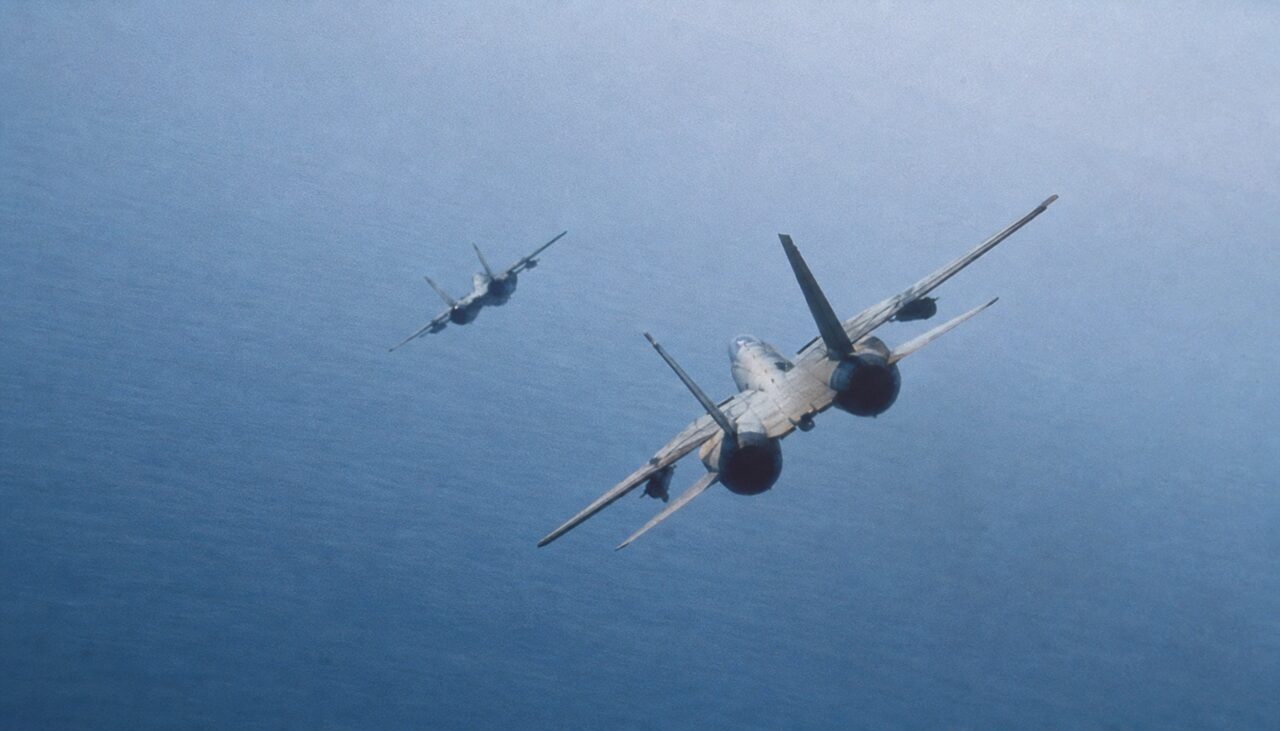
They descended to the coordinates. The day was clear and the Pacific was glassy. By Fravor's own account, the first thing he saw was not the object. It was the water — an oval patch of churning whitewater, roughly the size of a Boeing 737, disturbing a sea that was not moving anywhere else. Something was under it. Hovering about fifty feet above it was the object that would give the case its name.
Fravor has described it the same way in every interview and every deposition since: white, oblong, roughly forty feet long. No wings. No windows. No exhaust. Smooth and featureless. A Tic Tac. He spiraled down toward it. The object spiraled up to meet him, climbing the opposite side of the same invisible cylinder. When Fravor turned aggressive and cut across to close the distance, the Tic Tac left.
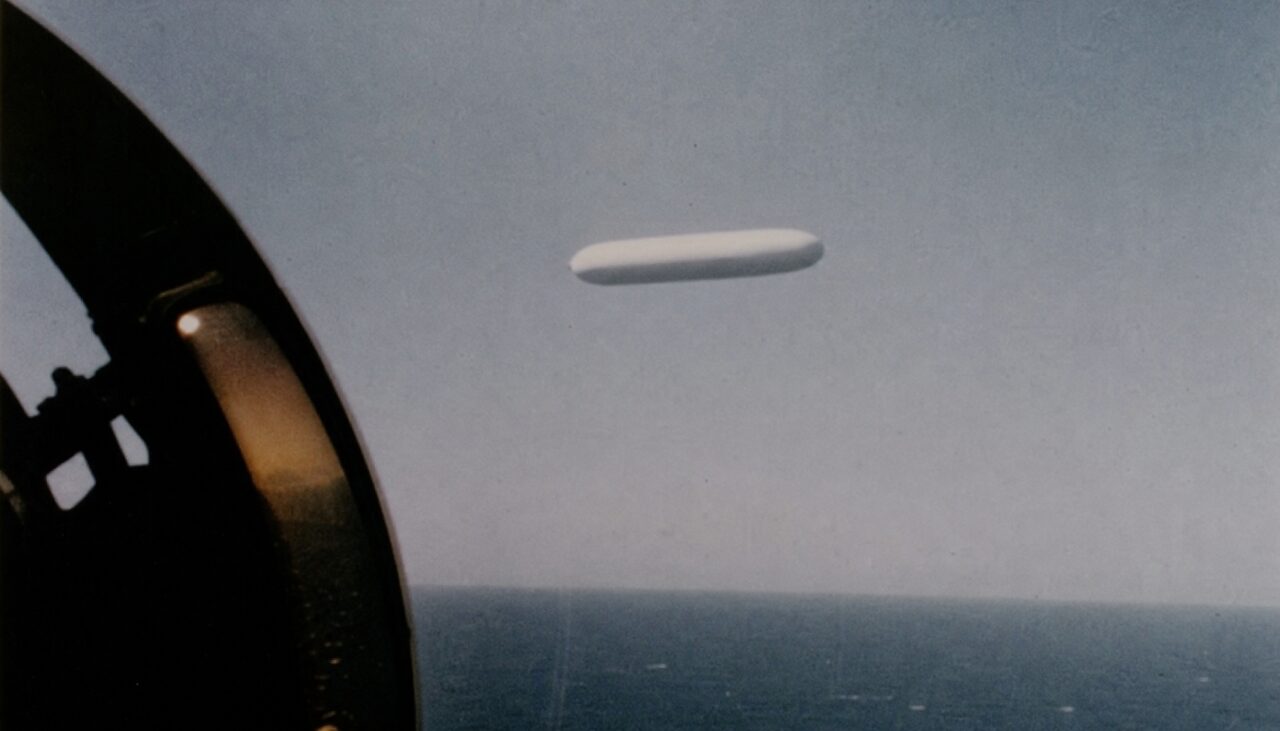
"Left" is doing considerable work in that sentence. Acceleration implies a curve. This was closer to a step function: hovering, then gone. Within seconds the Princeton was back on the radio. A contact had reappeared sixty miles away at the CAP point — the rendezvous coordinates Fravor's flight had been assigned before they ever launched. It was, in effect, waiting for them.
Dietrich saw it too. She has stated, on the record, that what she observed that day she still cannot explain. Her account has not drifted in twenty years, and neither has Fravor's. Two pilots, two cockpits, one story.
The Tape
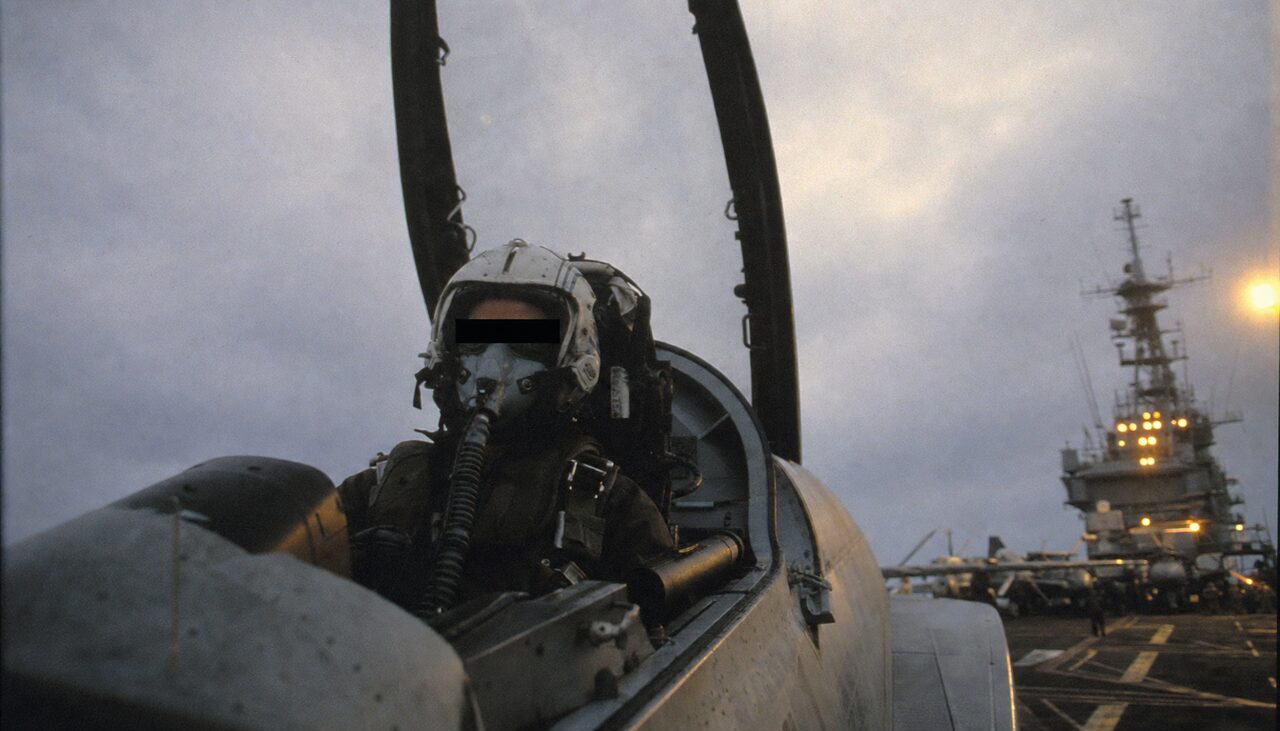
After Fravor and Dietrich landed, the next flight off the Nimitz belonged to Lieutenant Chad Underwood. Underwood had not seen the object. He was sent up specifically to find it. He found it. It was not trying to hide. The forward-looking infrared camera in the nose of his F/A-18 recorded roughly a minute and a quarter of footage: an oblong shape, no visible exhaust, reportedly maneuvering against the prevailing winds.
The footage was classified. It stayed classified for thirteen years. In December 2017 the New York Times published it anyway. In April 2020 the Department of Defense released it officially, having been beaten to it by a newspaper. The official classification of the object was, and remains, unidentified.
The Office
In 2022 the Department of Defense created a new office with a long acronym: the All-domain Anomaly Resolution Office, or AARO. Its job is to figure out what the Navy keeps filming. As of this report, it has not done so. One assumes they are working on it.
The skeptical explanations are familiar: misidentified aircraft, weather, instrument error, tired pilots. The difficulty is the corroboration. The Princeton's Aegis radar, two pilots in two separate aircraft, Underwood's infrared camera the following day, and a hundred contacts a day for two weeks before any of it happened. None of that is impossible to explain conventionally. It just requires a more elaborate explanation than the one it is meant to replace.
Two conventional explanations tend to survive. One: the Tic Tac was a classified American program tested against an unwitting Navy strike group. If true, it would mean the United States has spent twenty years declining to use technology that breaks publicly known physics. Two: the object was foreign. Same problem — no publicly known program, in any nation, has demonstrated anything close in the twenty-plus years since. Technology that advanced does not sit in a hangar for two decades. It gets used.
The case does carry one philosophical point cleanly. Unresolved is not the same as alien. An unexplained encounter is exactly that, unexplained, and the leap to extraterrestrial origin is a separate leap, just as "sensor artifact" and "unknown phenomenon" are separate leaps. The public record has not taken any of them.
What Sits
In March 2024 AARO issued the first volume of its Historical Record Report. It found no verified evidence that any UAP represented extraterrestrial technology. It also did not explain the Tic Tac. The Pentagon's accompanying statements held the same line into 2026: investigations have not confirmed alien craft, and many historical cases remain unresolved for lack of complete data.
What is left is a gap, between what was reported and what can be explained. The Pentagon has not filled it. Congress held the first open hearings on these objects in over fifty years and did not fill it either. The witnesses have told the same story for twenty years, and the story has not changed.
Off the coast of California, in 2004, the Navy's radar picked up things that should not have been there. Off the coast of Virginia, ten years later, it picked them up again. The Pentagon has the footage. The Pentagon has the office. The Pentagon has the hearings on the record. The Pentagon does not have an answer. The radar is still running.
Sources & Case References
- AARO — UAP Records (updated 2026)
- AARO — Official UAP Imagery
- U.S. Department of Defense — "DOD Report Discounts Sightings of Extraterrestrial Technology" (March 8, 2024)
- U.S. Department of Defense — Statement on the Historical Record Report on UAP, Volume 1 (March 8, 2024)
- AARO Historical Record Report, Volume 1 (2024, PDF)