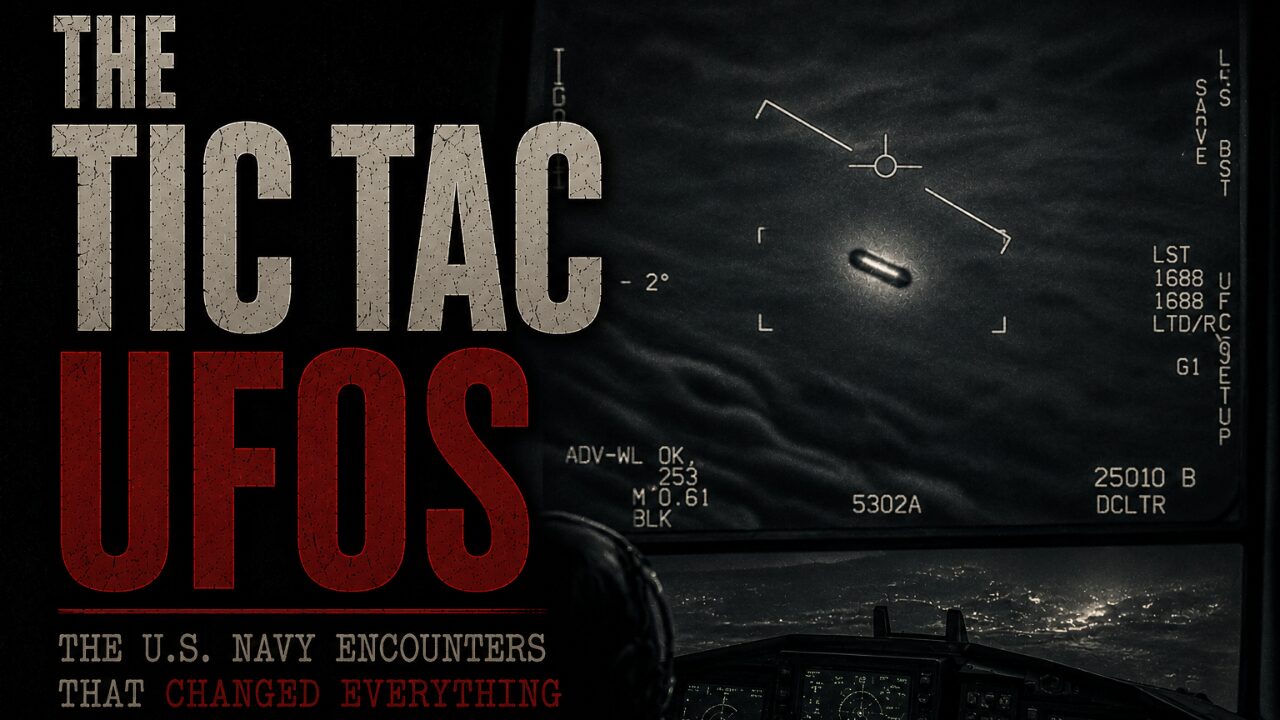
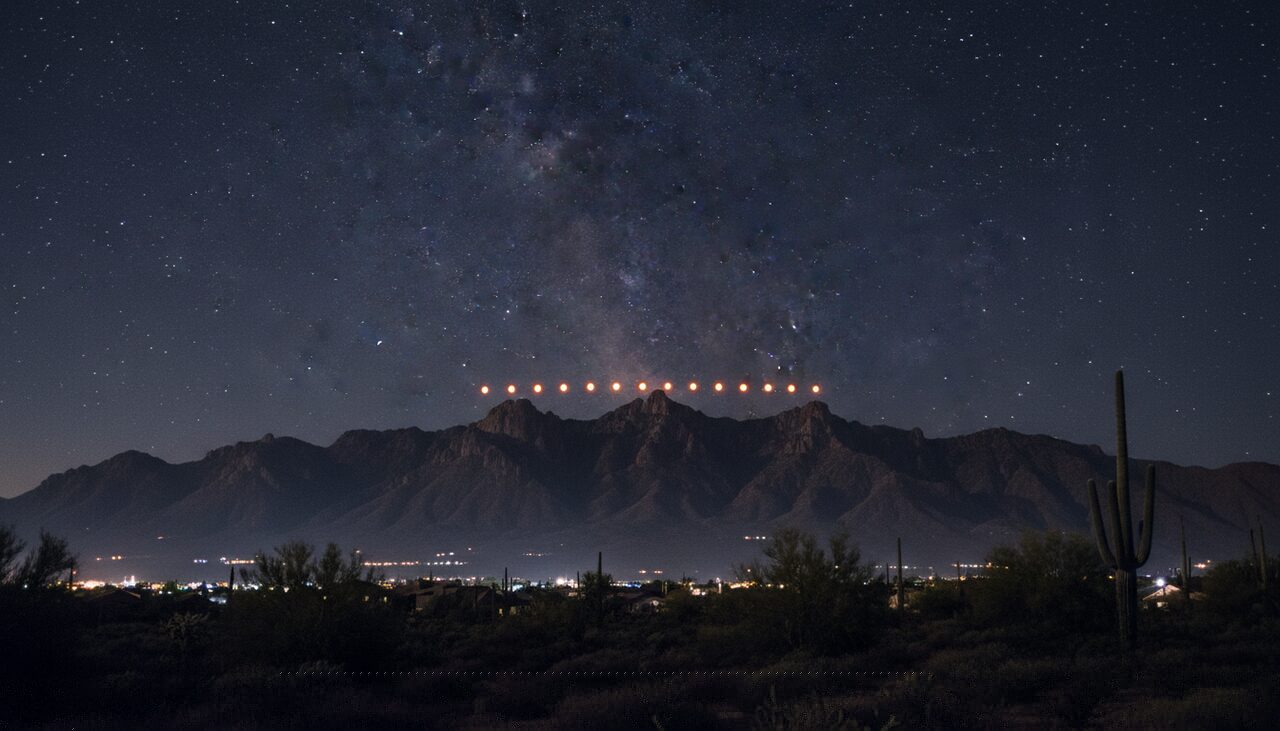
On the night of September 8, 2021, an American AC-130 gunship was running a live-fire exercise over the Gulf of Oman. The crew dropped a flare into the water to light the range. When it lit, two objects were already sitting there. Not moving. Roughly four feet across, somewhere between the surface of the sea and twenty feet above it.
Over the rest of that night, the crew counted about twenty-five more.
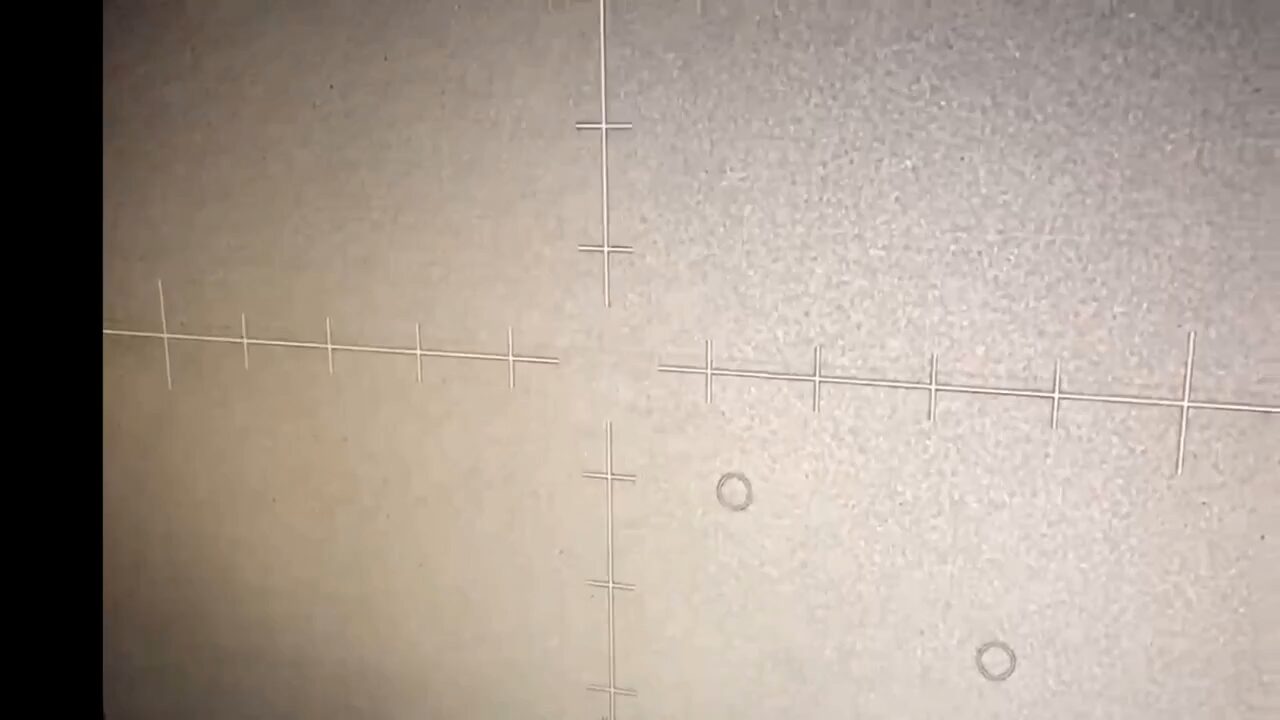
An AC-130 is a cargo plane with a howitzer bolted to it. It circles in the dark and destroys things on the ground, and to do that it carries some of the best night-vision equipment ever built, because you cannot shoot what you cannot see. It is very good at seeing. Nobody on board could tell you what they were looking at.
The file sat classified for five years. In August 2026 the government put it online.
Twenty-Five of Them
The intelligence report is a routine form, filled in by someone at Air Force Special Operations Command, and it reads like one right up until it doesn't. The title is Multiple Unidentified Aerial Phenomenon Observed Maneuvering Erratically and In Formation Over Gulf of Oman During AC-130 Gunship Live Fire Training on 8 September 2021. The summary runs to five sentences.
The objects are described as cold orbs. On infrared everything has a temperature, and at sea after dark almost everything reads warm. These read cold, which is not a phrase anybody sets out to put in an official document. The report has them at between 250 and 1,300 miles an hour, in different formations, and — the government's word, not mine — manoeuvring aggressively.
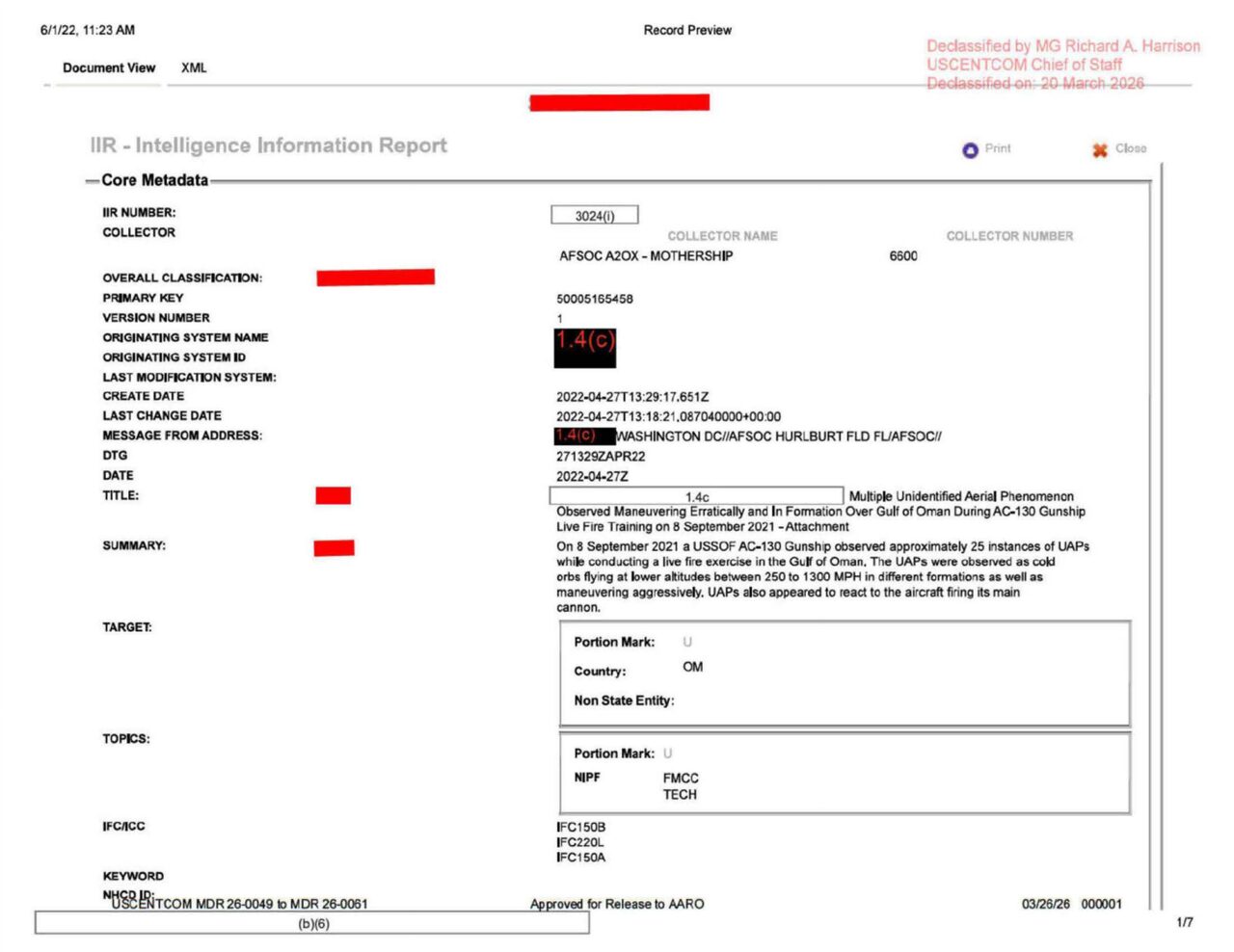
Then there is the last sentence, which is the one everybody stops on. UAPs also appeared to react to the aircraft firing its main cannon.
The plane shot at them. They reacted.
Nobody has an explanation for that — not the crew, not the intelligence officer who wrote it up, and not the office that exists specifically to explain things like it. The record carries the word unresolved. It is one file out of 375.
What Else Is in There
In February 2026 the President announced that the government would open its UAP files. In May the Department of War stood up a task force to do it, under the name PURSUE — the Presidential Unsealing and Reporting System for UAP Encounters — and began publishing in tranches: May 8, May 22, June 12, July 10, August 7. The material comes from the Department of War, the FBI, the CIA, the State Department, the Department of Energy, NASA and the Executive Office of the President, and it spans 1950 to 2026.
Three hundred and seventy-five records so far. A hundred and nineteen of them are video. The entry requirement is that nobody could close the case.
An F-16 fires a missile at something over Lake Huron and the something comes apart. Four objects in formation over the water off Iran. A file somebody titled Syrian UAP instant acceleration. Spheres going into the sea beside a submarine, and then coming back out of it. A Coast Guard crew off Florida films something and files it under the name Tic Tac, because at some point that stopped being a joke and became a classification.
And twenty minutes of footage from the gulf between Iran and the Arabian peninsula, which somebody in the United States military saved as UFOs in formation over Persian Gulf?
Somebody typed that question mark. They were looking at their own sensor footage, they had to name the file before they closed the window, and they hedged — in a classified system, where nobody was going to read it but them.
The People Whose Job Is to Say No
It matters who is doing the assessing here, because they are not credulous and they are not fools. There is an office: the All-domain Anomaly Resolution Office, AARO, inside the Department of War. Its entire purpose is to take a UFO report and turn it into something boring, and it is superb at that.
In the twelve months to May 30, 2025, AARO took 319 reports and closed 114 of them. Balloons. Birds. Satellites. Aircraft. Drones. One commercial rocket launch. One man in a jet pack. Somebody saw a man fly past in a jet pack and reported it to the Department of War, and they were right — there was a man in a jet pack. Somewhere there is an analyst who wrote that up, filed it, and went to lunch.
Forty-four separate events that year resolved as sunlight flaring off satellites. Six triangles over Southeast Asia turned out to be fishing nets. And the most famous UFO video in the world — the one that made the New York Times, the one called Go Fast — is an object travelling between 5 and 92 miles an hour at about 13,000 feet.
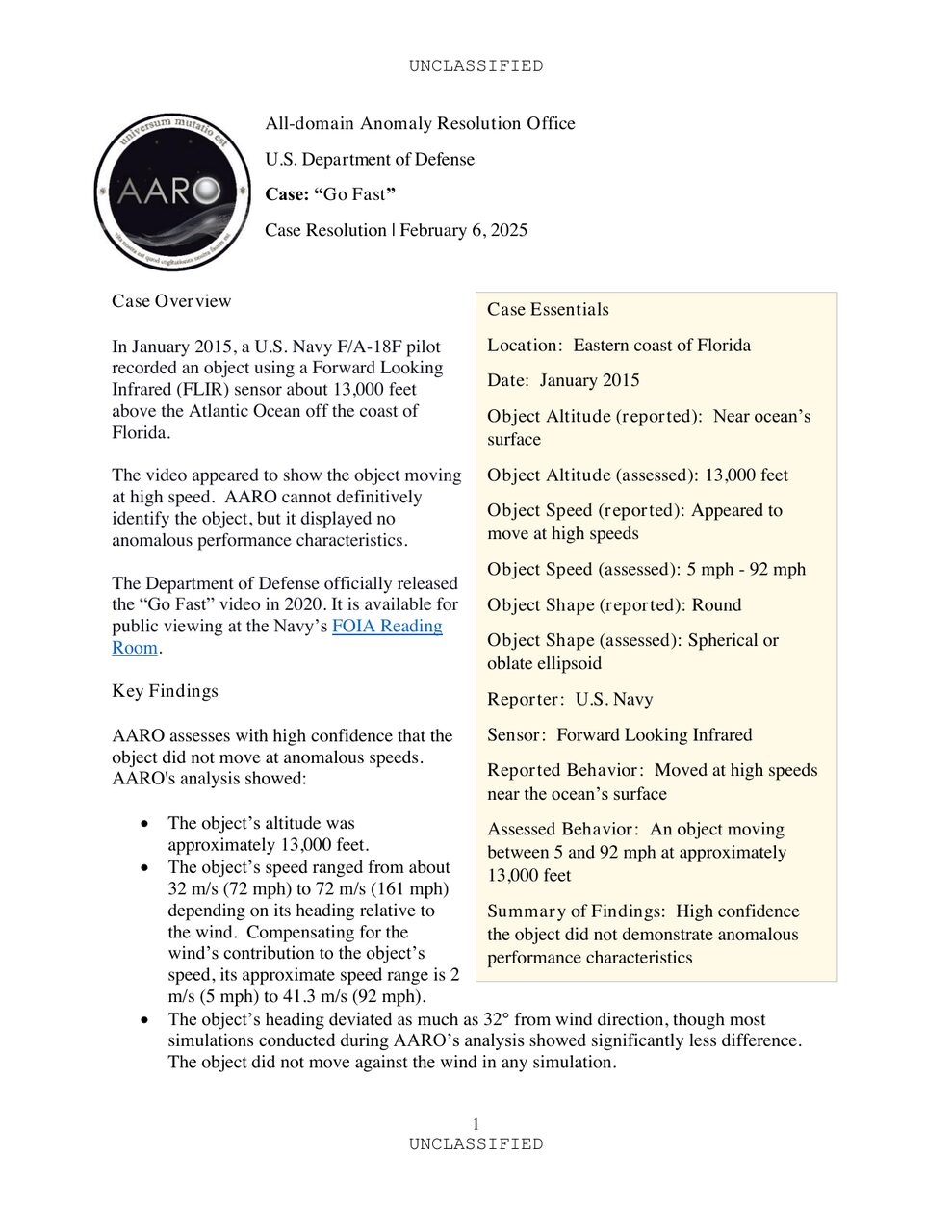
The video called Go Fast is of something going quite slowly.
So these are not people straining to believe. They close cases for a living, and every incentive they have points at balloon. Which is the only reason the next part is worth anyone's time. These are the ones they could not close.
The Ones They Couldn't Close
- A military pilot is deployed to Bagram Air Base in Afghanistan, and something goes over the top of him. A triangle. Equilateral. Roughly 500 feet on a side — that is a building — low enough to take the stars out as it passes, moving at about 150 knots. Silent. Nothing that size moves through the air quietly. That is not a matter of engineering; it is a matter of shoving the air out of the way.
He sat on it for twenty-two years. Then, in 2024, the FBI interviewed him about something else entirely, and it came out. So the Bureau did something genuinely strange: it hired an artist, had the pilot describe what he saw, and published the drawing as evidence.
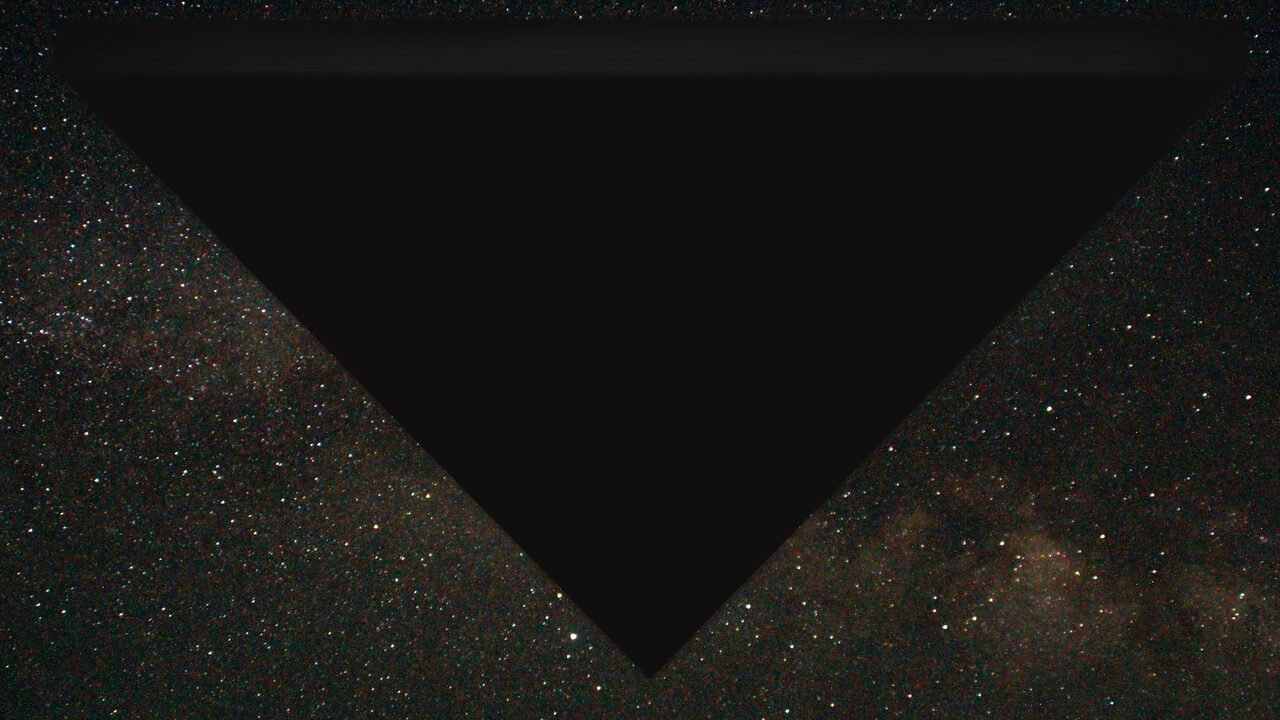
There are thirteen of these in the archive. The official position of the United States government on this subject now includes commissioned artwork. Somebody at the Bureau has a line item for that.
October 2023, the western United States. A group of federal law enforcement agents — not civilians, not one person, federal agents — watch objects in the sky across four separate incidents over several days. The government took five sworn statements. It drew a map of the incidents from above. It commissioned ten renderings, walking one witness through three of his sightings and another through seven of hers. It is among the most thoroughly documented events in the entire archive, and there is not one photograph of it.
Colorado Springs, twice — once in 2022, once in 2023. Two former service members describe a dark triangle with lights on it. Somebody else describes a dark translucent triangle, which is a strange adjective to reach for and a stranger one to keep in a federal file.
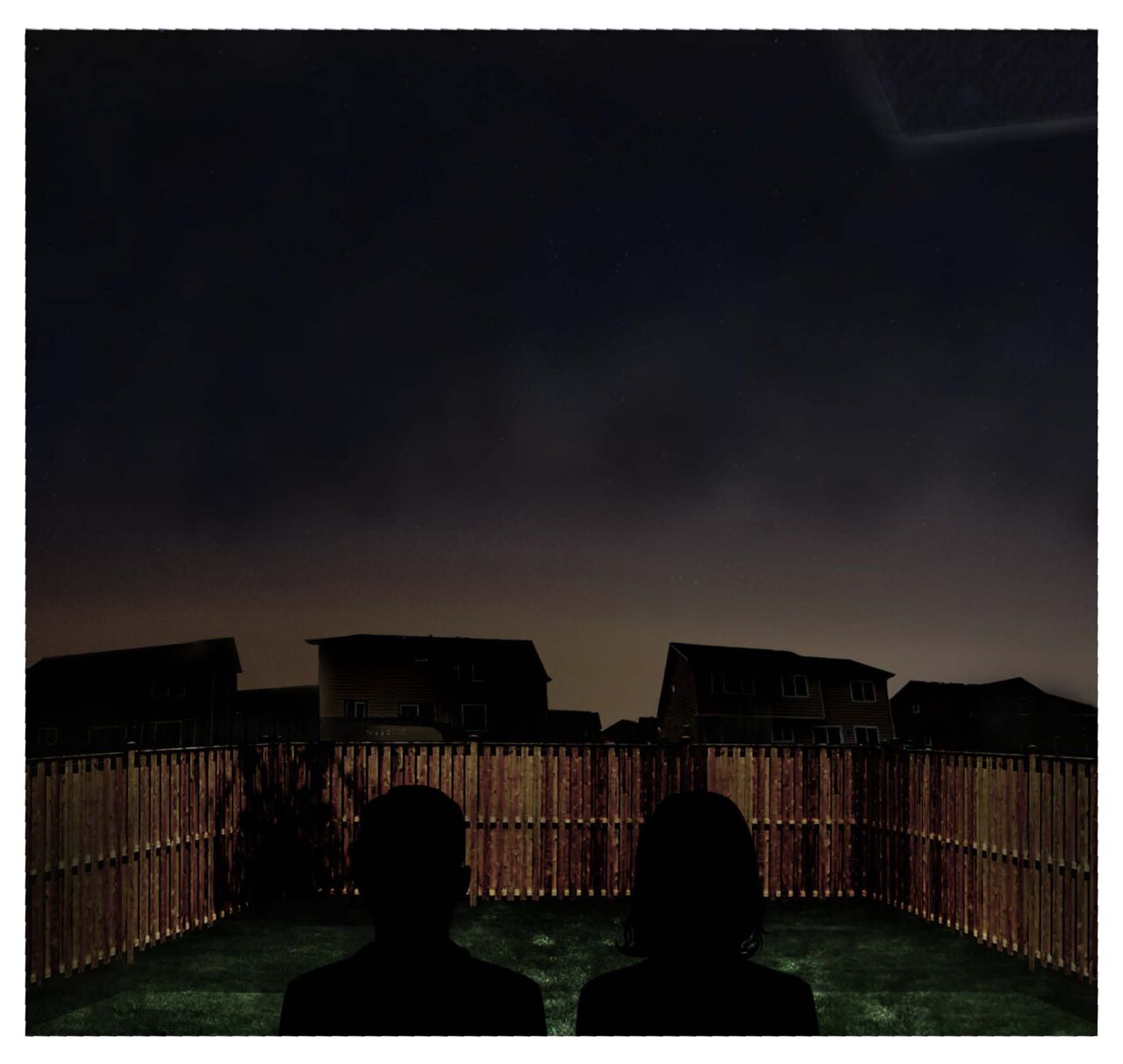
Colorado Springs is where NORAD is. Of all the towns to fly a triangle over.
And it keeps happening in ordinary places. Columbus, Ohio — several, in the vicinity of the city. Karaganda International Airport in Kazakhstan, filed under a heading that begins with the words administrative revision, which means somebody went back and changed it. Orbs over the north-eastern United States, filmed by the FBI, in 2025. Not a desert. Not a runway in Nevada. Ohio.
In 2026, two more people in the western United States describe three incidents inside a five-hour window. They are interviewed separately, written up separately, and a rendering is made from each account — so four pictures now exist of the same night, drawn from two people who never compared notes. That is a corroboration test. It is still open.
Not Lights
Lights in the sky are easy to argue about. So here is the part of the record that is not lights.
Start with the water. There is a file of spherical objects going in and out of the sea near a submarine — in, and then out. Air and water differ in density by a factor of about 800. Crossing between them at speed is the hardest thing that can be asked of a vehicle, which is why we build submarines and aircraft and nothing that is confidently both.
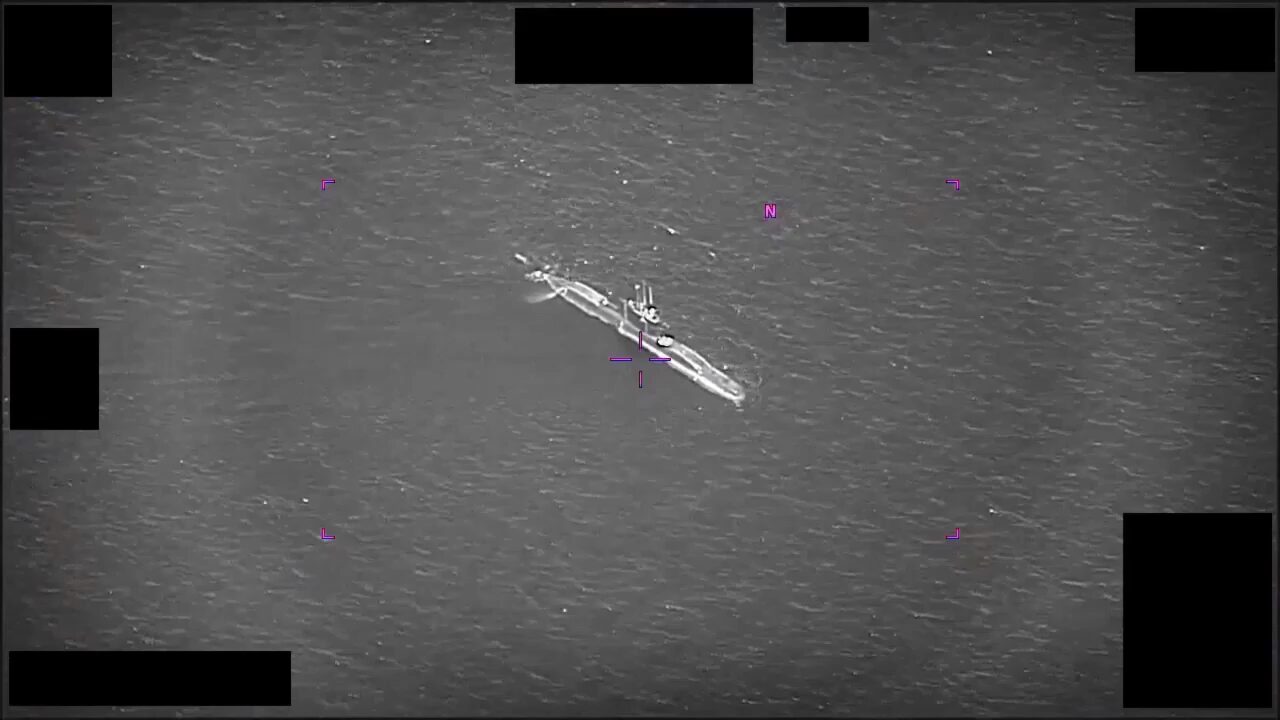
That one is still open too.
Then there is the sound, or rather the absence of it. The Bagram triangle is silent at 500 feet across. The Kabul file is a night sighting from Air Force Special Operations. The Syrian file is named for an acceleration that whoever titled it thought was worth calling instant. None of those are lights doing something odd at a distance. They are objects, doing things objects do not.
And then there is the part of the record that is not even visual. Two reports in that same period describe electronic or avionic interference near an operating aircraft. AARO's own line is that it has not yet rendered a determination whether, or to what extent, the reported effects are attributable to UAP. That is an office that resolves birds saying: we do not know, and we are not going to pretend.
Then there is the section on restricted airspace and critical infrastructure, written in three consecutive sentences worth reading in order.
Some narrative reports were suggestive of phenomena whose performance characteristics exceed the known state-of-the-art within a given domain. No technical data accompanied these reports. If validated, the attendant phenomena underlying these reports may represent a currently unmitigated threat vector.
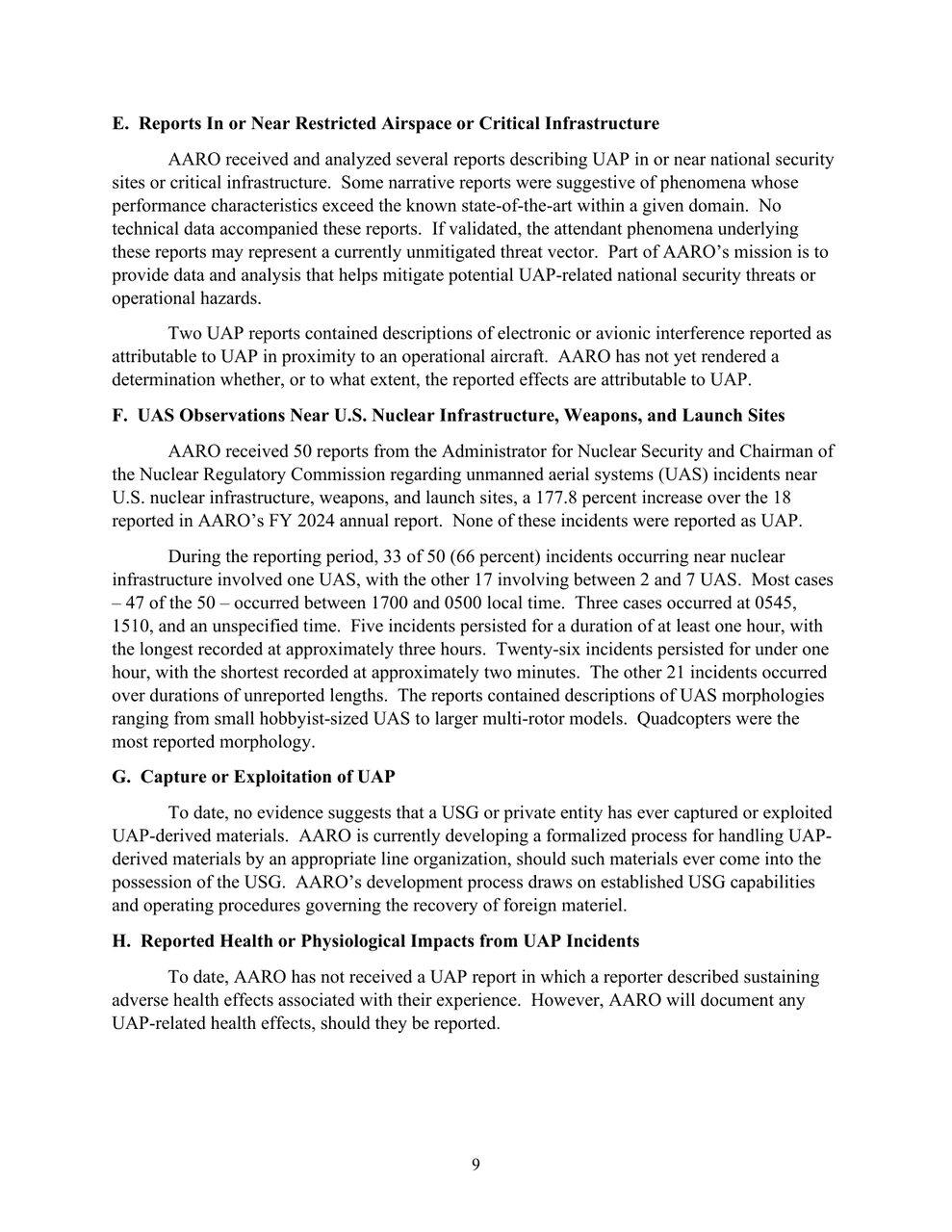
Something might be beyond us. We have no data. If it is real, we cannot stop it.
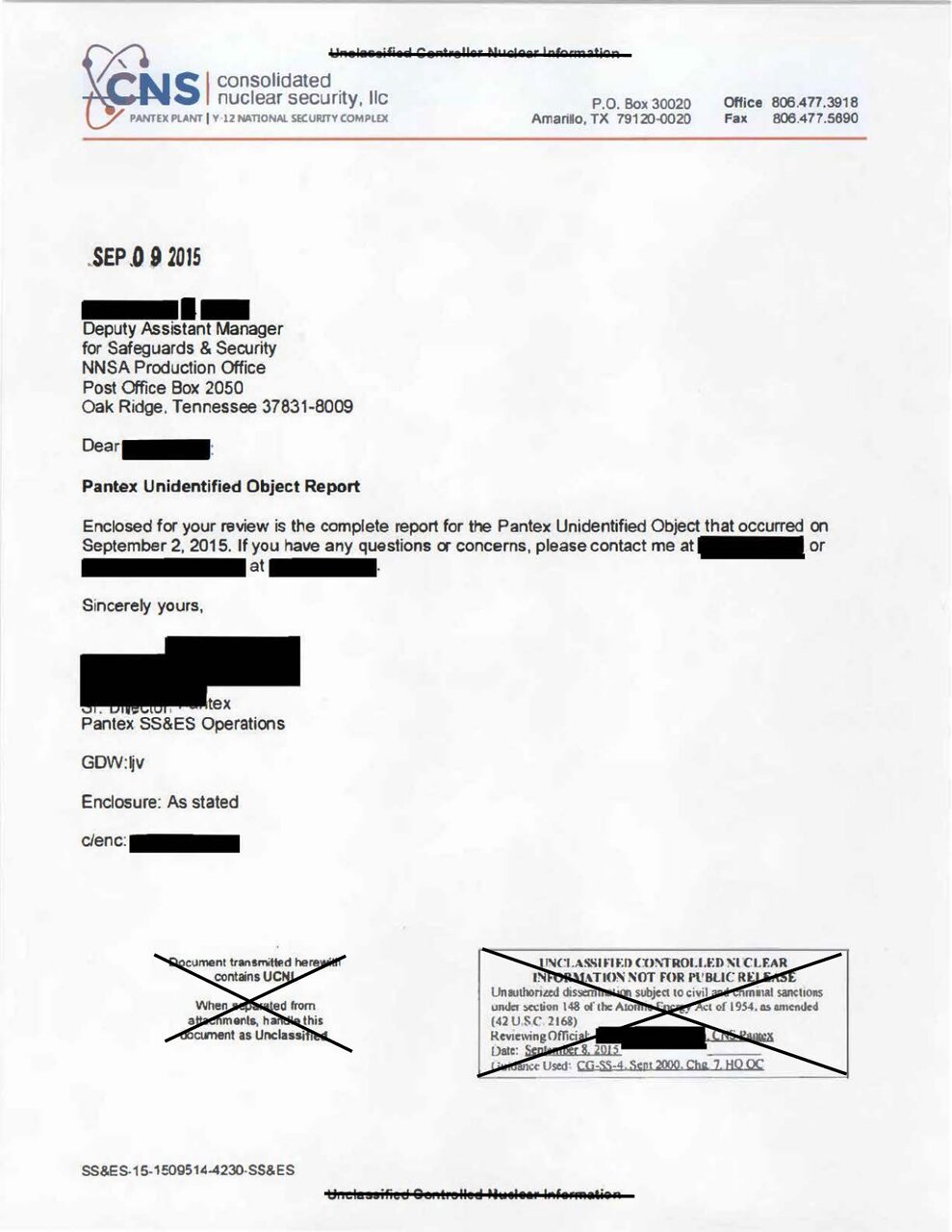
The Department of Energy is in this archive too, on account of something that happened at Pantex — the plant in Texas where the United States assembles and disassembles its nuclear weapons — on September 2, 2015. What was released is the covering letter. Enclosed for your review is the complete report for the Pantex Unidentified Object, it says, and the complete report is the part you do not get. Every name on it is blacked out.
Nineteen Fifty-Three
The oldest material in the archive goes back to 1950. Two films — one shot over Montana, one over Utah — went to the Naval Photographic Interpretation Center, the outfit that read spy-plane imagery for a living. And they did it properly. They plotted the brightness of the objects against their apparent size, drew the charts, and wrote it up.
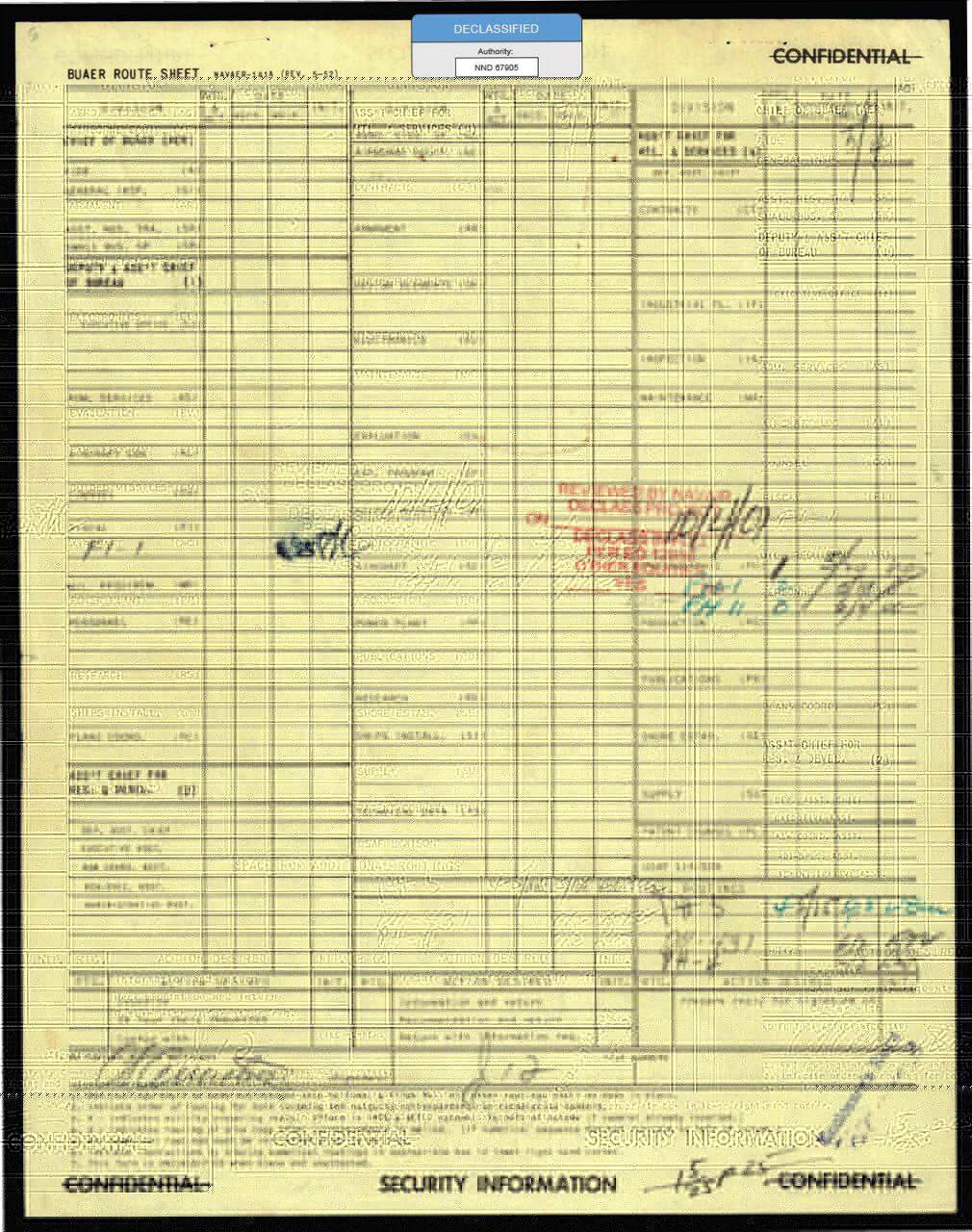
Their finding was that the objects showed characteristics inconsistent with natural phenomena, and inconsistent with commonly known aerospace technologies. They recommended a proper investigation. Then they noted that they had neither the funding nor the personnel to carry one out.
That was seventy-three years ago. Trained analysts looked at film of something they could not identify, said so in writing, asked for the resources to find out, and were told there were none.
The Recorder
Which brings this back to the gunship, and to the detail worth sitting on. Twenty-five objects. Four feet across. Cold. In formation. Reacting to cannon fire. Observed from one of the best night-vision platforms the United States has ever flown.
So where is the footage?
One line, in the intelligence report, with no comment attached. The aircrew stated that they were unable to capture video footage of the phenomena, because the aircraft's digital video recorder was not functioning during the incident.
The recorder was broken. So somebody on that aeroplane watched twenty-five unidentified objects manoeuvre around live cannon fire, realised the machine built to record it was not recording it, and got their phone out.
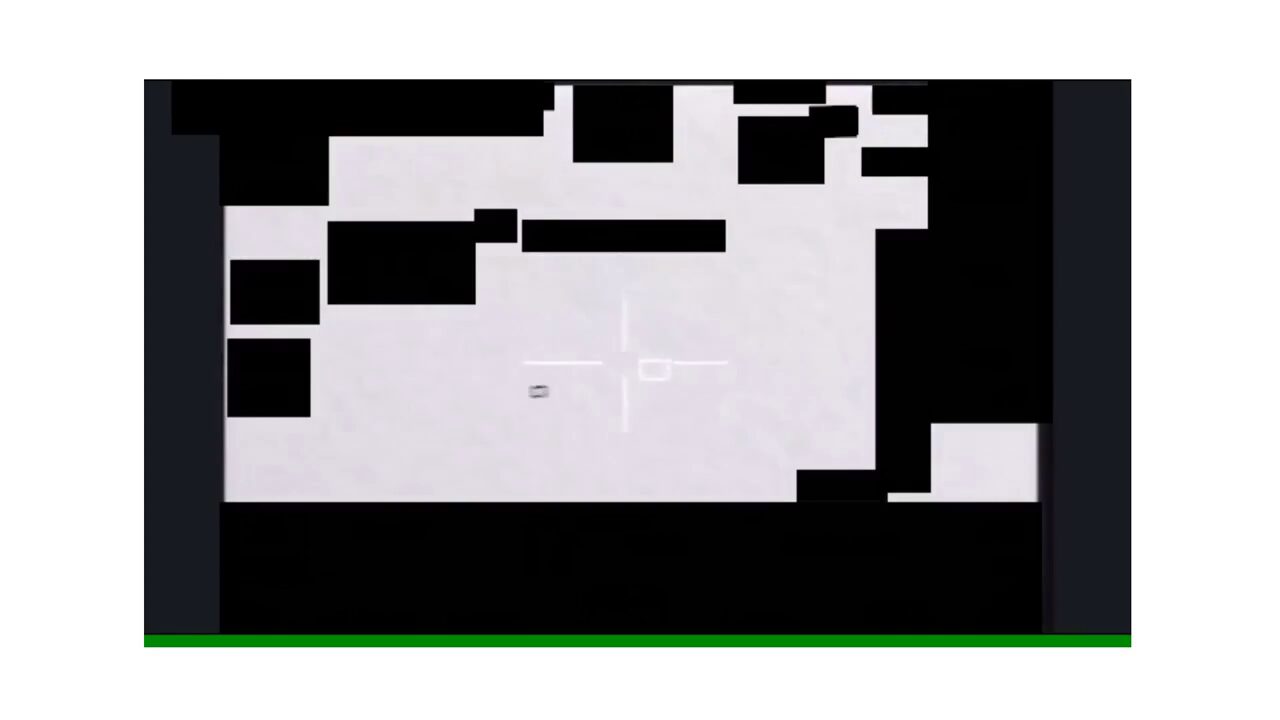
That is what survives. The government's own description says it plainly: a secondary capture, recorded via a cellular device, of an infrared sensor display. Two minutes and one second, in six pieces, two of which overlap. The longest is thirty-four seconds. One of them is two seconds long.
Two seconds. They declassified it anyway. Reviewed it, cleared it, gave it a number. That is the complete visual record of the most dramatic military UAP encounter this country has ever released. A man filming a screen.
That is not a cover-up. It is worse than a cover-up, in the way that matters. We have built the most surveilled sky in the history of the species — satellites, radar, targeting pods, blimps with cameras on them, drones watching volcanoes. And on the one night something genuinely strange turns up and starts dodging, the recorder is broken.
What Survives
There is one more file, and it is forty-six seconds long. Uploaded to a classified network in February 2023 by somebody who titled it, in plain English, as an American F-16 shooting down a UAP over Lake Huron. The office will not endorse that title. It will only say the video is likely from an infrared sensor on an American military platform over North America.
What it will say about the content is this: at twenty seconds, the footage appears to depict a kinetic interaction between two distinct areas of contrast, with the initial subject fragmenting in a radial displacement pattern that suggests a high-energy event.
Something got hit. And came apart.
Of AARO's 319 reports that year, 114 came apart in their hands. A hundred and ninety-one went into something the office calls the active archive — a drawer for cases with too little data to settle, held there pending the future discovery of corroborating data sources. Which is an unusually hopeful name for a drawer.
Twenty-five cold objects around a gunship that was shooting at them. A silent building over Bagram. Federal agents with five sworn statements and no photograph. Instruments going wrong in the air, with no determination rendered. Something over Lake Huron in pieces. Every one of those went to the people whose job is to make it boring. They could not.
And this is not history. The most recent file in there is from 2026. The federal agents filed in 2023. Somebody in the western United States sat down with the FBI a few months ago and described three things in five hours. Whatever this is, it is still going on, and the people it is happening to are still on shift.
Which matters, because the evidence has a shelf life. Those 191 cases are waiting on corroborating data that mostly is not coming. Sensor files get overwritten. Radar tapes get reused. Somebody does not note the time, and twenty years later the answer is unrecoverable — not classified, just gone. The pilot who saw the triangle over Bagram waited twenty-two years to mention it, and by then there was nothing left to check it against.
Every one of these files is a question with a clock on it. And every one of them came from a person, which is the next thing worth knowing about.
Sources & Case References
- PURSUE — Presidential Unsealing and Reporting System for UAP Encounters, U.S. Department of War
- Department of War — "Department of War Releases Unidentified Anomalous Phenomena Files in Historic Transparency Effort"
- AARO — Fiscal Year 2025 Consolidated Annual Report on Unidentified Anomalous Phenomena (information cut-off May 30, 2025)
- The Black Vault — "AARO Releases FY2025 UAP Report ... Citing 319 New Cases and Expanded Satellite Analysis"
- The Debrief — "AARO's Latest UAP Report Finds No Evidence of Exotic Technology, But Mysteries Remain"
- AARO, Case Resolution: "Go Fast" (February 6, 2025)
- Primary documents cited by their archive designations: DOW-UAP-D101, DOW-UAP-D098, DOW-UAP-PR067, DOW-UAP-PR071, DOW-UAP-PR118, DOE-UAP-D005, FBI-UAP-D025, FBI-UAP-D027
- Images: all figures on this page are U.S. government records released through the PURSUE archive and AARO, and are in the public domain. The Bagram and Colorado Springs figures are FBI-commissioned artists' drawings made to witness direction, not photographs.