Houston, 1972. A room full of principal investigators is grinding through the Apollo 16 scientific debriefing — instruments, samples, procedures, all of it in service of planning Apollo 17 properly. It is a working meeting and a dull one.
Twenty-five minutes in, somebody changes the subject.
A scientist asks a man who has recently come back from the Moon whether the flash he saw was coloured or white. Then, in exactly the same tone, whether it might have been a cosmic ray passing through his own eyeball — which was a real thing that happened to Apollo crews, and precisely the right question. He said he had never had one.
Part 1 went through the cases the United States government could not close. Every one of them came from a person. So this is the people — starting with the ones nobody gets to wave away, saying it out loud on a tape they were never meant to be heard on.
The Ones Who Went Up
Forty of the 375 files came from NASA, and fifteen of those are audio. Mercury. Gemini. Apollo. Flight recordings and post-mission debriefings in which some of the first people ever to leave the planet get asked what they saw up there, and answer.
What is worth listening for on the Apollo 16 tape is not the sighting. It is the procedure. They want the time. They want the location. Somebody says that if the moment can be pinned down, they will go and look at their records. Somebody else says it is on the DSE — the onboard recorder — and a third person says the transcript has not been typed up yet. That is a room full of scientists in 1972 trying hard to nail something down while it is still nailable.
Then comes the line the recording turns on: as far as I know, it is the first report of a transient event of some nature that has been seen from orbit.
Fifty-four years later, that recording came out in an archive whose own language calls it unresolved — material the government says it is unable to make a definitive determination about. They asked for the time. They asked for the location. Nobody ever wrote the answer down, and then it was a file.
There is a second voice worth the time, and he is nobody's idea of a wild-eyed believer. Gordon Cooper, 1962, on tape. He says there have been a large number of exceptionally well-qualified people who have seen objects with no really logical explanation. Then, immediately, that maybe each and every one of them does have one. Then he keeps going: that there are so many thousands of possibilities of other planets with a liveable atmosphere that he would hate to rule out that some of these might be exactly what they look like.
A Mercury astronaut, hedging in both directions at once, on the record.
The interviewer asks him about the so-called Glenn effect. John Glenn, in orbit, had reported what he called fireflies — luminous particles drifting past the capsule. Scott Carpenter and Wally Schirra both put it down to frost coming off the spacecraft. Glenn did not buy it. It is 1962, and there is already a sighting, already a debunk, already a consensus, and already one astronaut who is not having it.
Nobody Else Could Have Seen This
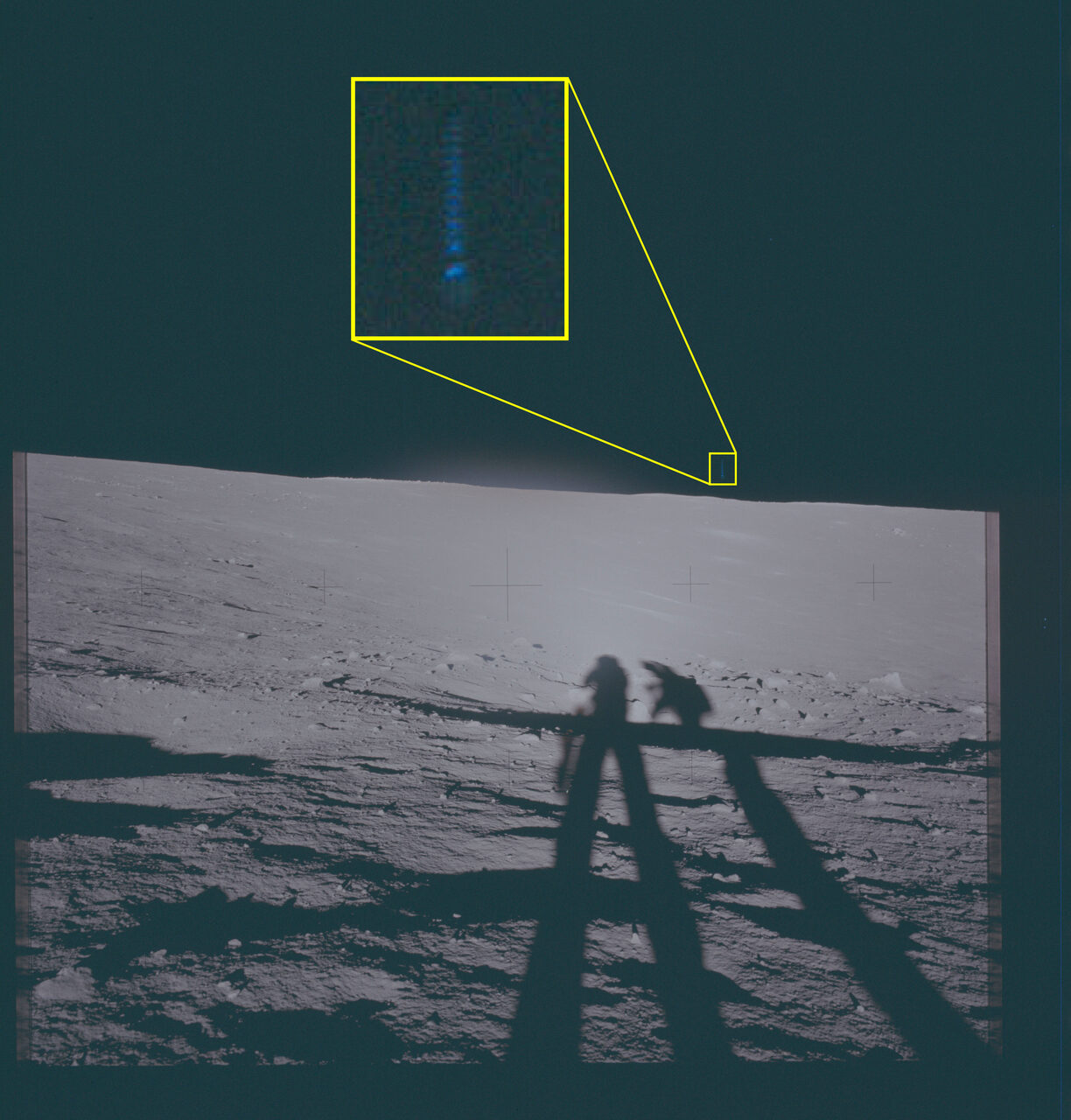
Those tapes are the top of a ladder. Here is the rest of it. Eight cases in this archive are logged at the Moon. Eleven more in low Earth orbit. Photographs from Apollo 12 and Apollo 17, and three frames from the Space Shuttle in 1996.
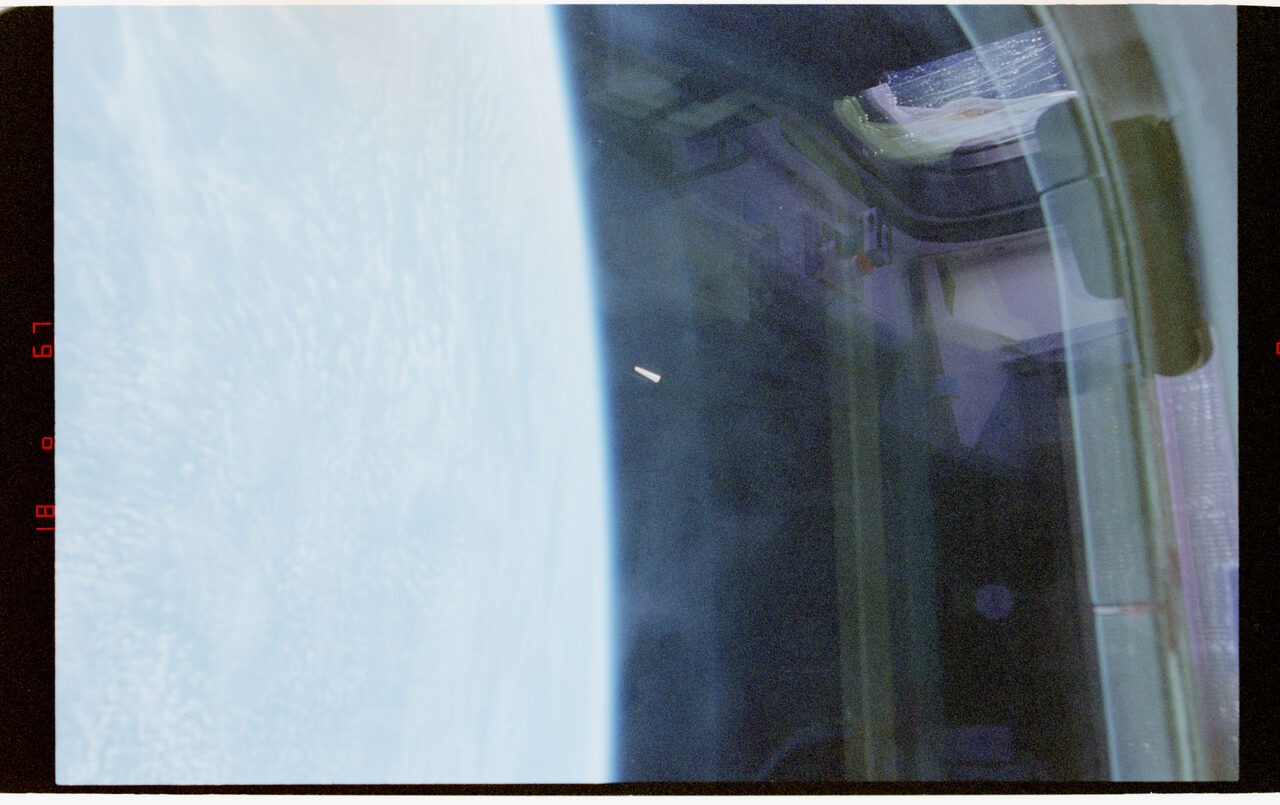
You could not have seen any of that. Nobody could, except the handful of people who were up there and whoever was holding the film.
Then there is a category of witness the archive handles differently. One file is nothing but a narrative from a senior United States intelligence community official, with the name taken out of their own account. Another is an assessment of an incident credited to an intelligence community agency — not which one, just: one of them.
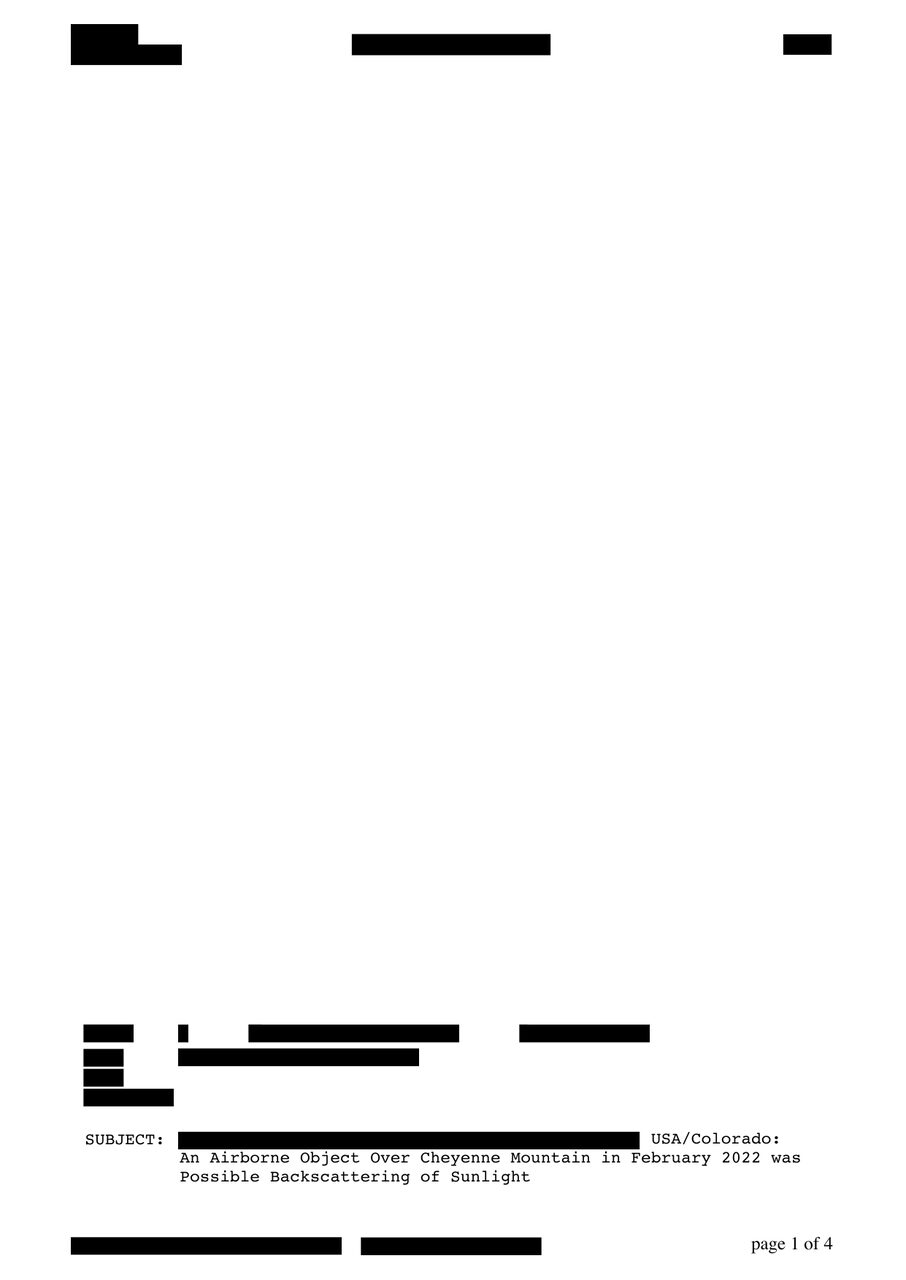
And there is a folder of correspondence between Congress and the White House, credited simply to the United States Government, which does narrow it down.
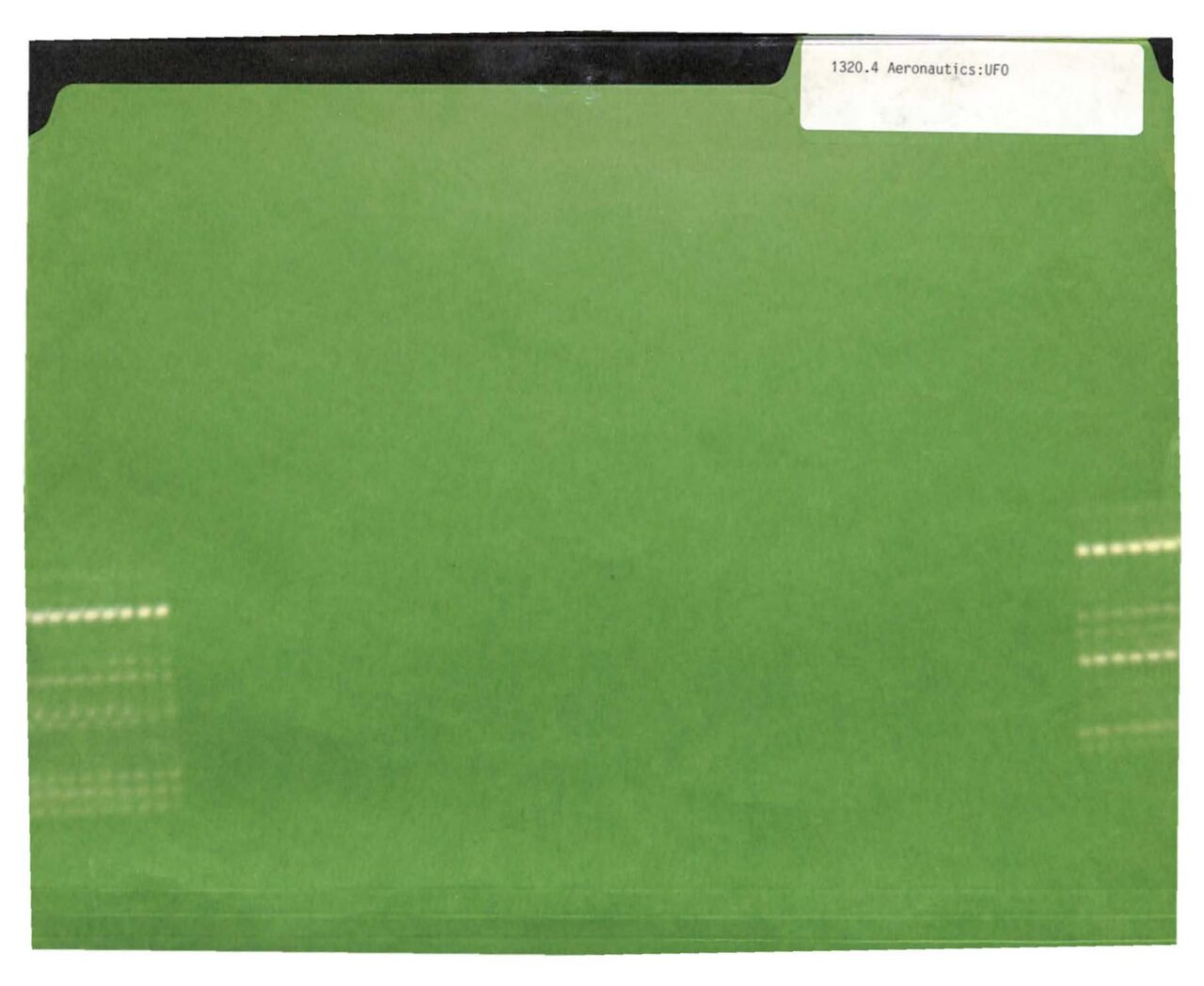
Anonymous witnesses, in the archive built specifically to tell you who knew what.
And one admission in AARO's annual report reframes the whole space section. Not one of the office's assessments in the space domain came from a space-based sensor. The United States government is working out what is in orbit from people standing in fields.
Seven Phone Calls
Now a different kind of witness, one rung further in.
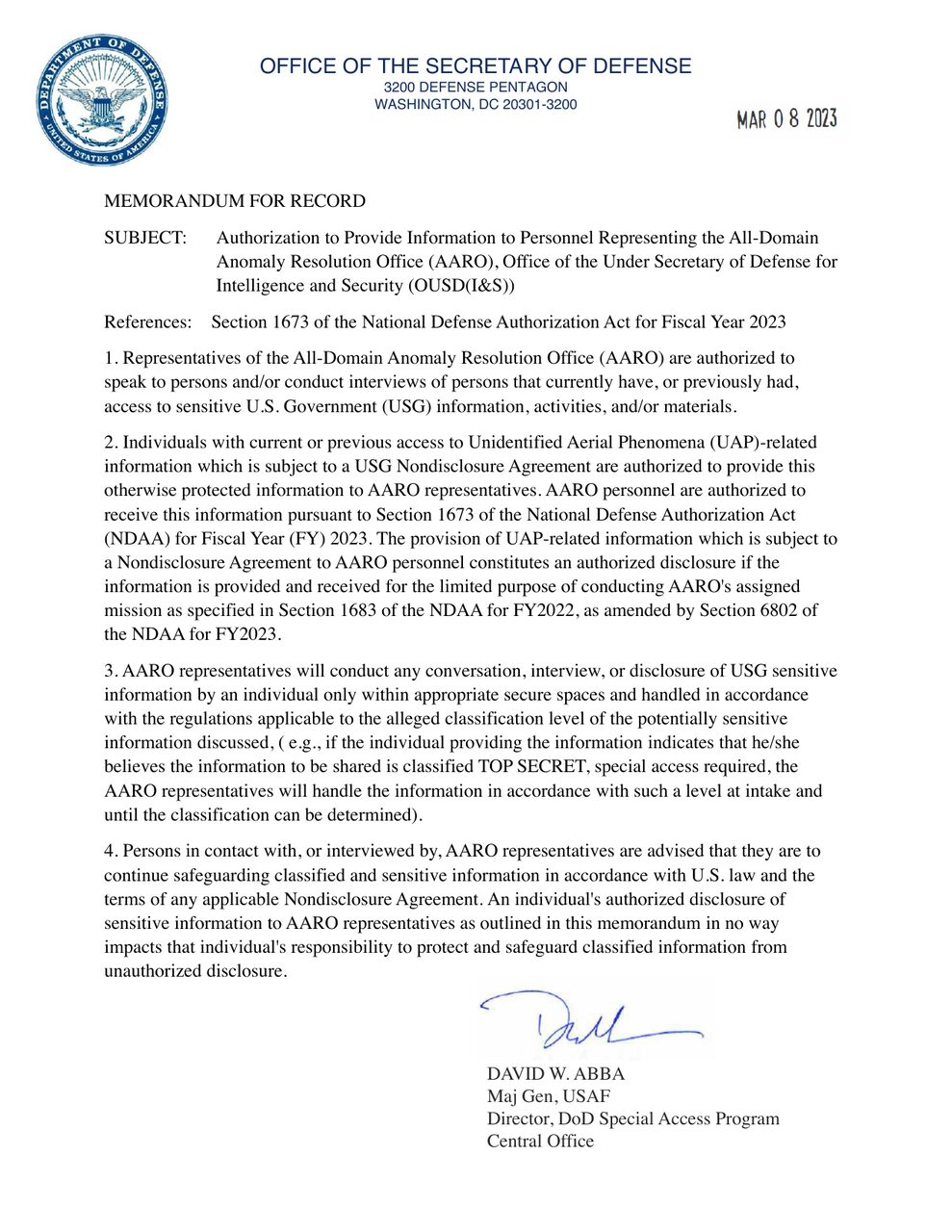
There is a secure channel for anybody claiming first-hand knowledge of a United States government UAP programme. Not people who saw a light — people who say they were inside something. It is protected by law, AARO can receive that information at any level of classification, and generally no restriction, including a non-disclosure agreement, stops it doing so.
That last part is not a paraphrase of a press release. It is a memorandum signed in March 2023 by the Director of the Department of Defense's Special Access Program Central Office, telling people with current or previous access that handing UAP-related information to AARO constitutes an authorized disclosure — NDA notwithstanding.
In the twelve months to the end of May 2025, 262 people used that channel. Two hundred and fifty-five were assessed as out of scope. Seven were judged to warrant a follow-on interview.
Seven. And consider who has to be in that 262 in the first place: to use the channel at all you are claiming first-hand knowledge of a government programme. You are not reporting a light in the sky. You are saying you worked on this. Two hundred and fifty-five of those did not survive contact with a trained analyst, which is a fair measure of how much noise sits under this subject.
Then there are the other seven. We do not know who they are. We do not know what they said. The report gives one number and moves to the next section.
Five Fridays
So that is the material. The strange part is the release itself.
All of it came out this year. Three hundred and seventy-five files, six agencies and four credits that are not quite agencies, published straight onto a government website with no clearance required and no request needed. The largest declassification this subject has ever had. And then nothing. No hearings collapsed. Nobody resigned. The vault opened and the room stayed quiet.
Part of that is the shape of it. It did not come out; it has been coming out, in tranches, every few weeks since May. A hundred and fifty-eight files. Then sixty-four. Then seventy-two. Then forty. Then forty-one. A feature-length premiere, and then the episodes get shorter.
The dates are the eighth of May, the twenty-second of May, the twelfth of June, the tenth of July, the seventh of August. Every one of them is a Friday. Friday is the day you release things you would rather people read on Monday — that is not a theory, it is a press-office convention with its own nickname. It is also, to be fair, the day you release something you would like people to spend the weekend with.
Either way, the Department of War has been dropping episodes, weekly, with a gap built in after each one. Which leaves two possibilities, and there is no way from the outside to tell which: either something is still being held back, or somebody worked out that a slow drip keeps a country checking back on a Friday.
Of the whole transparency archive, 204 files are redacted. Fifty-four percent.
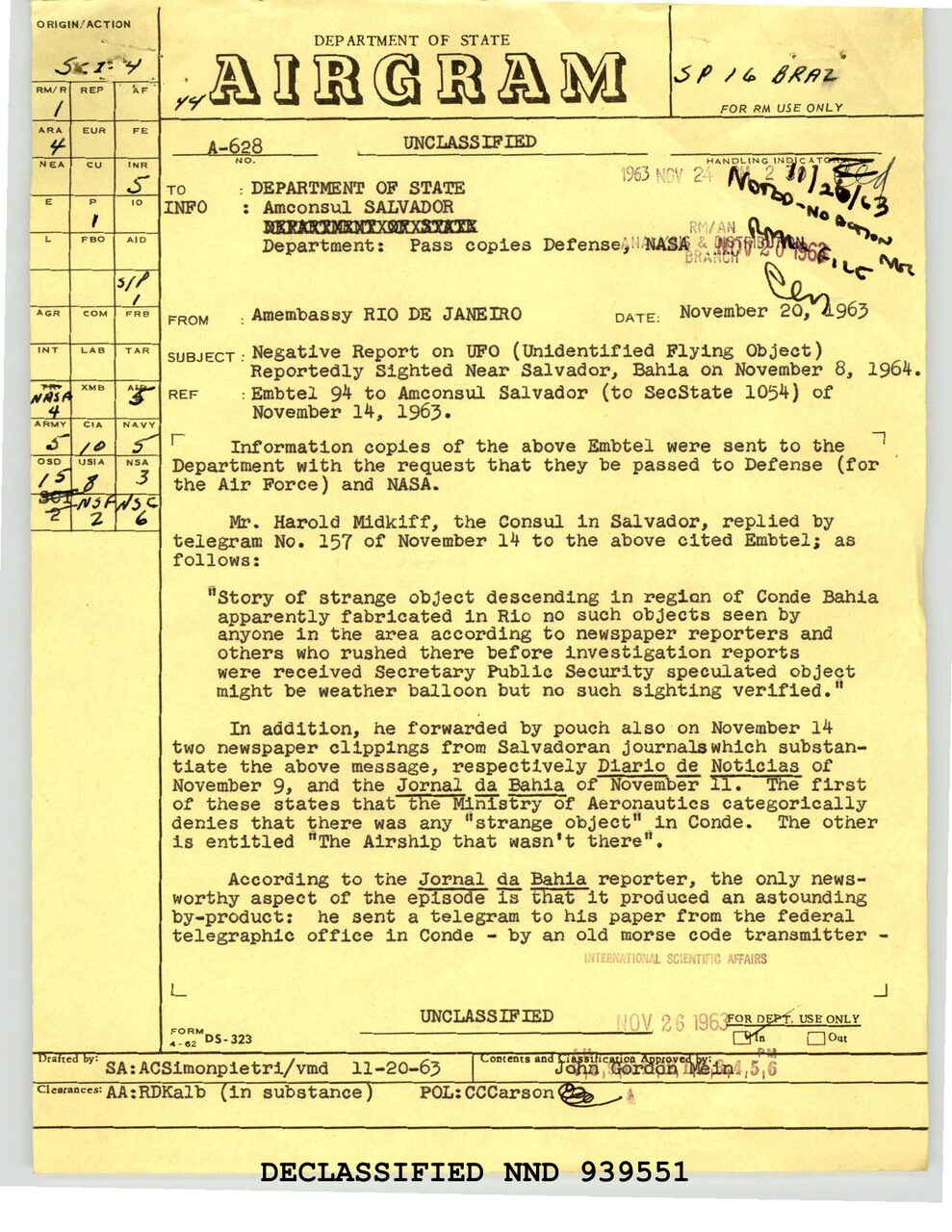
The Description Is Not a Description
The second part is the language, and it is the funniest thing in the archive.
Every video comes with a written description of what happens in it, which is genuinely useful, and which reads like this: an area of contrast remains generally within the center of the sensor field-of-view.
Not an object. An area of contrast. Precisely correct — on infrared that is all you have — and completely airless. And appended to every one of those descriptions is this:
This video description is provided for informational purposes only. Readers should not interpret any part of this description as reflecting an analytical judgment, investigative conclusion, or factual determination regarding the described event's validity, nature, or significance.
They released the footage. They described the footage. Then they attached a note saying the description is not a description. Nothing in this archive is permitted to mean anything. Which is not a conspiracy — it is what happens when lawyers review a disclosure — but it is why a person can read every one of them and end up exactly where they started.
The Folder They Asked For
Before the third part, the counter-argument, and it is a strong one.
On the sixth of March, eight members of the House of Representatives asked for fifty-one specific records they had worked out the government was sitting on. AARO went and looked, turned up responsive material on a classified network, and noted in public that many of these materials lack a substantiated chain-of-custody.
Those fifty-one came out on the twenty-second of May, and they are the strangest tranche in the archive for reasons that have nothing to do with their contents. Every other release is titled the way governments title things. That one went out under the names the people who made the files had given them.
Syrian UAP instant acceleration. Cigar shaped or fast spherical UAP. Spherical UAP pulsing over water. Multiple spherical UAP near sub, in and out of water. AFSOC Kabul, July 2017. That is not a classification system. That is people naming files at the end of a shift.
And in among them, a forty-six-second video uploaded to a classified network in February 2023, titled in plain English as an American F-16 shooting down a UAP over Lake Huron. It sat there for three years under that name. Nobody caught it. Nobody pulled it. Then eight people in Congress asked for the folder it was in, and out it came — which suggests the way to get something out of this government is to already know its file number.
The Alibi in the Drawer
There is a second half to that counter-argument, because the archive does one more thing no piece of theatre would bother doing.
The CIA contributed twenty-three documents, and they are a strange little collection. Reports of objects over Budapest. Conversations with Soviet scientists. Sightings over Ladakh, Nepal, Sikkim and Bhutan. And a 1971 Australian review of the American programme, which says flatly that by 1949 the U.S. Air Force had begun using its own investigation to kill the subject off — and that some other agency was quietly maintaining a high level of interest the entire time. The Australians name that agency. They say it was almost certainly the CIA.
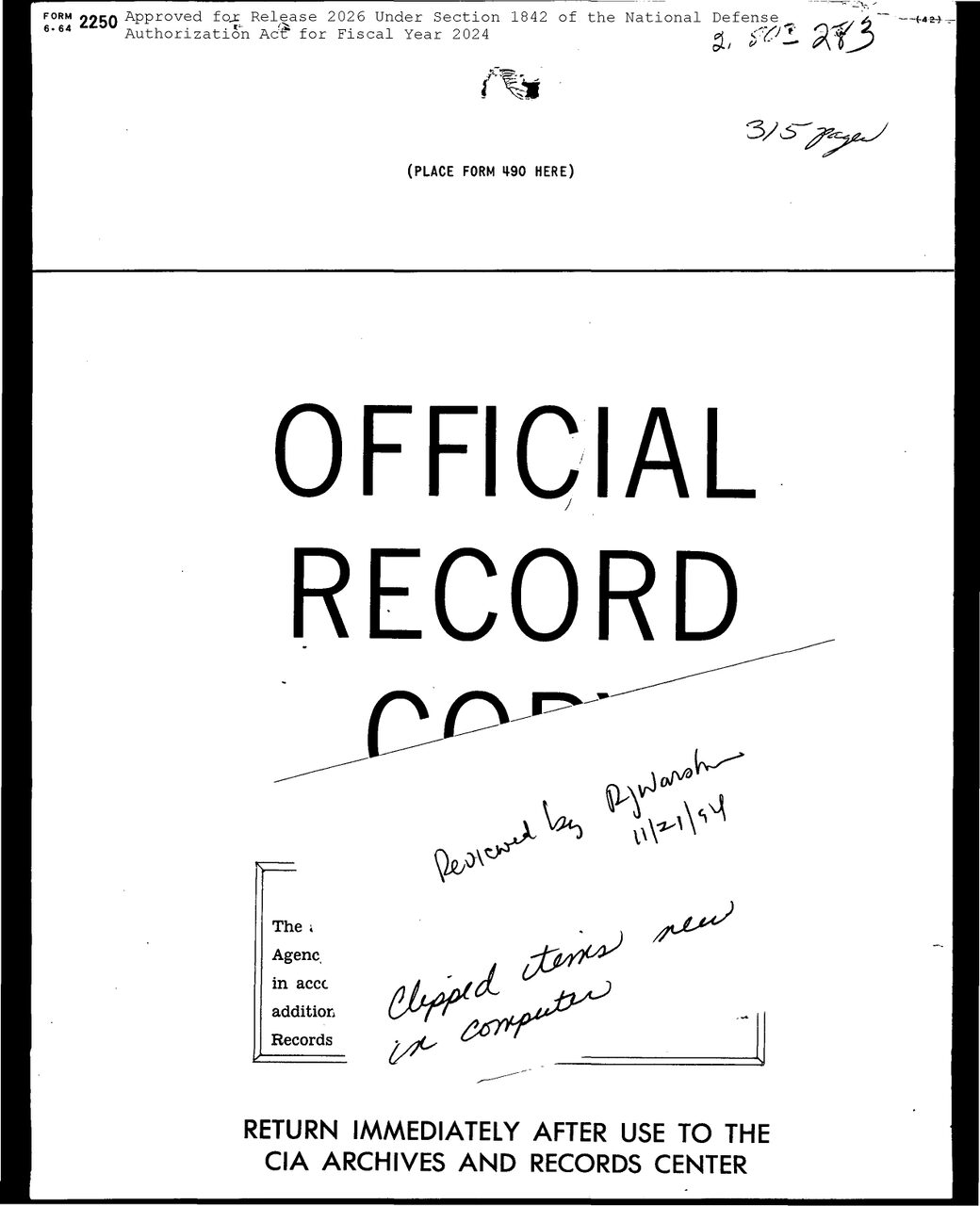
And filed in among them is the agency's own official history of the U-2 and OXCART spy plane programmes — the CIA putting its alibi in the same drawer as the accusation.
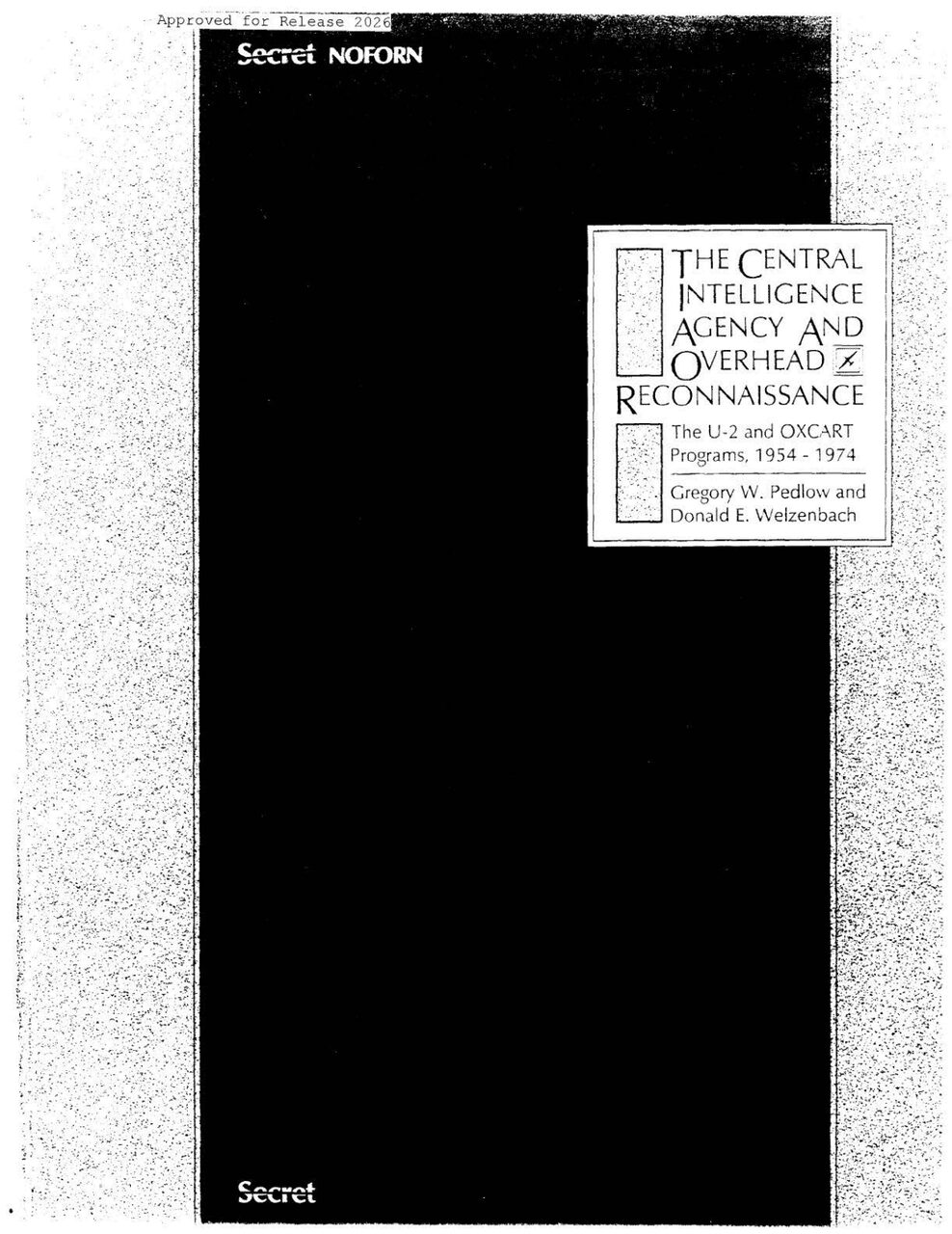
The alibi is also largely true. A great many 1950s sightings were a black aeroplane at seventy thousand feet that nobody was cleared to know about. Which is its own kind of answer: for a decade, the thing in the sky really was a secret craft, and the government really was lying about it.
One More Rung
Which brings us to twelve photocopied pages.
On the thirteenth of November, 2024, at a House Oversight hearing titled Unidentified Anomalous Phenomena: Exposing the Truth, a document went into the Congressional Record, introduced by Representative Nancy Mace. The scan quality is visible in it — the skew, the grey wash down one edge. There is no author's name on it. It describes a programme it says is called IMMACULATE CONSTELLATION.
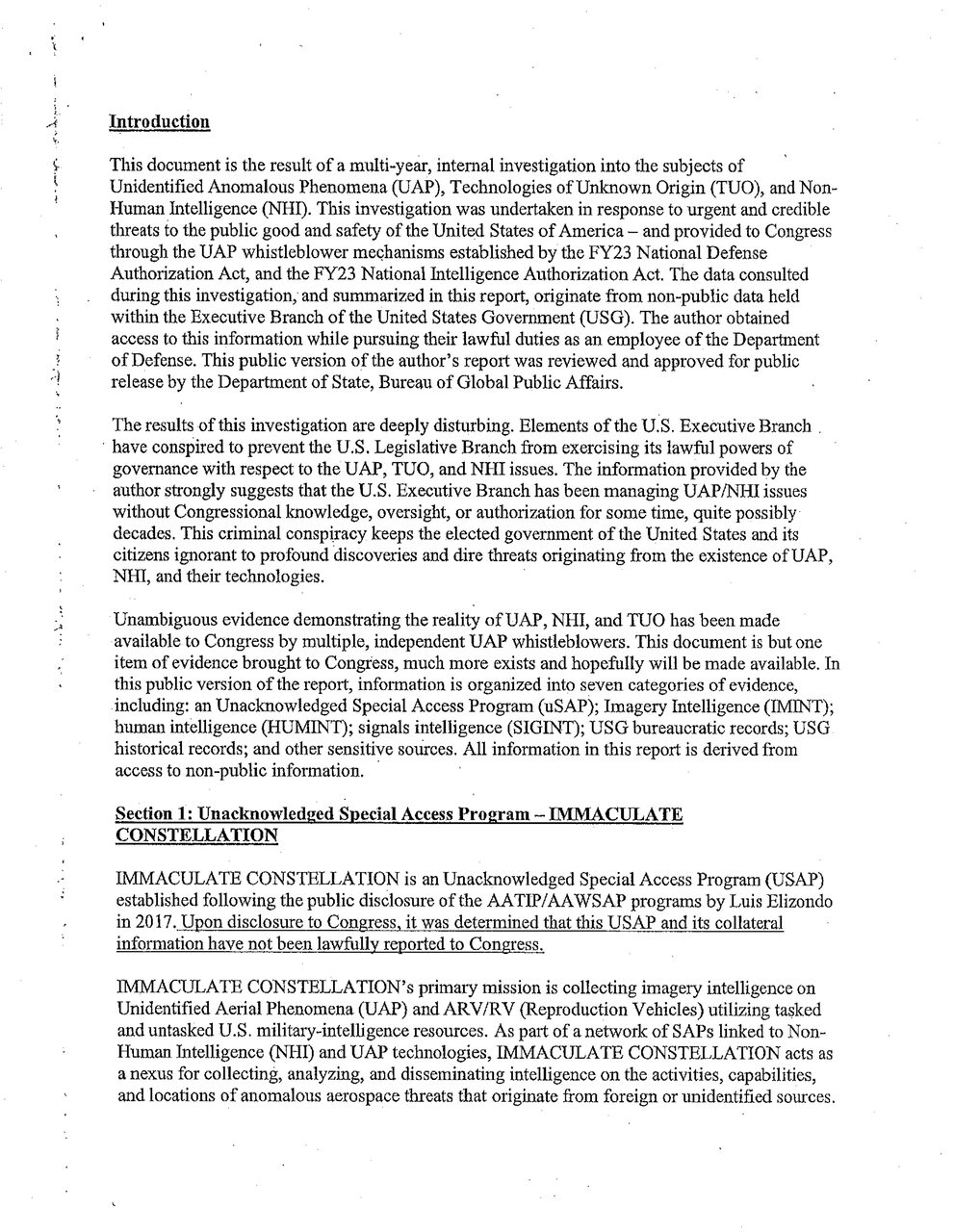
Whoever wrote it says they obtained the material while pursuing their lawful duties as an employee of the Department of Defense, and submitted it through the whistleblower mechanisms Congress built into the FY2023 defence and intelligence authorization acts. Those mechanisms are real, and they exist precisely so that somebody in that position has a legal route that is not a leak.
The central allegation is not really about aliens. It is that elements of the U.S. Executive Branch have conspired to prevent the U.S. Legislative Branch from exercising its lawful powers of governance.
The programme it describes is not a saucer in a hangar. Its stated primary mission is collecting imagery intelligence on unidentified phenomena, using both tasked and untasked American military-intelligence platforms — the ones told to look, and the ones that happened to be pointing the right way. A place where all the accidental footage goes.
Then it makes the claim the whole thing rests on. The programme, it says, enforces compartmentalization by detecting, quarantining, and transferring UAP imagery collection incidents before they are circulated within the Military Intelligence Enterprise — which, the document adds, partially explains why many otherwise cleared members of the military and the intelligence community are unaware of UAP activities.
That is a remarkably convenient thing to be told. In one sentence it accounts for why nobody in the system has seen the evidence, including every single person who would be in a position to confirm any of it. It cannot be disproved. That is not the same as being false, and the difference is worth being careful about.
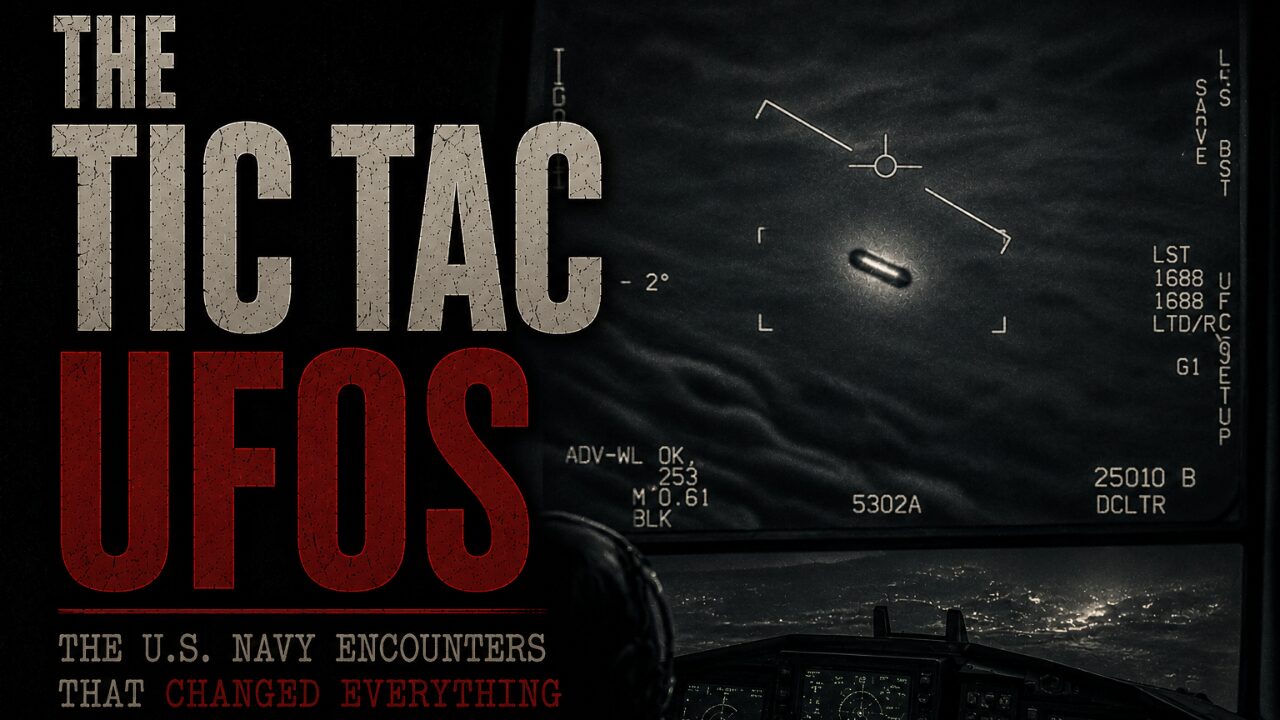
It also lists nine specific pieces of footage, each introduced the same way — on USG networks, there exists. Twelve metallic orbs in a cube formation skimming the ocean before splitting into pairs. An oval crossing a sensitive coastal facility. Intelligence ships collecting at night in the Pacific with a large triangle among them. A disc using cloud as cover. A boomerang. A jellyfish over the Mexican border. A Tic Tac, seen from space. That is unusual. The document does not ask to be taken at its word. It says what to go and look for.
The Department of Defense responded, and the response is one sentence: it has no record, present or historical, of any type of special access program called IMMACULATE CONSTELLATION.
That sentence is doing a very precise amount of work. It denies a name.
Zero
So the document set itself an exam without meaning to. It said this footage exists. Five tranches later, did any of it come out?
Go through the whole archive — every title, every official description, all 375 files. The word Immaculate appears zero times. Special access — zero. Non-human — zero. Retrieval — zero. Recovered — zero. Reverse engineer — zero. Whistleblower — zero. Extraterrestrial appears twice: once in a cable about Zimbabwe, and once in a folder of letters the public wrote to the White House.
What does appear, eighty-seven times, is the phrase unidentified anomalous phenomena. Eighty-seven separate occasions on which somebody reached for a form of words and picked the longest available way of saying no idea.
There are things in there that rhyme, if you want them to. Central Command does have spherical orb footage. There are spheres going in and out of the water beside a submarine. There are triangles. There is a Tic Tac. But the document's orbs are three to six metres and the archive's are four feet. The triangles are in the wrong ocean. The Tic Tac was filmed by the Coast Guard off Florida, not from orbit over South America. None of it matches. It only resembles.
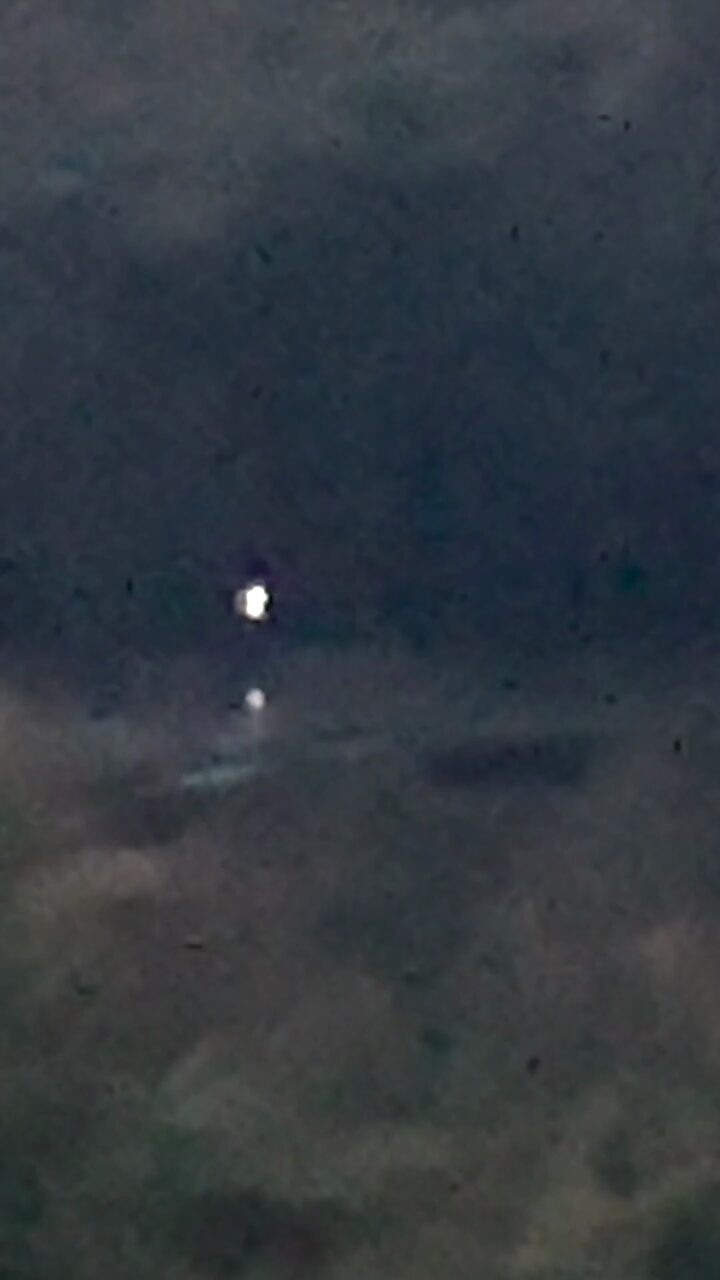
And there is a fact that cuts hard the other way, and it is the strongest argument against the document. Somebody uploaded a video to a classified network and titled it, in plain language, as an American fighter shooting down a UAP over Lake Huron. Nothing detected it. Nothing quarantined it. It sat there three years under that name until Congress asked. The machine that supposedly catches all of this before anyone sees it did not catch that.
So the largest declassification in the history of the subject neither confirms the document nor kills it. It just does not contain it.
Which leaves one sentence, and it is not mine — it is the government's. AARO is authorised by law to receive all UAP-related information, including any classified national security information, at any level of classification, regardless of any restrictive access controls, special access controls, or compartmented access programs.
Put that against the document and there is a fork with exactly two prongs. Either there is no IMMACULATE CONSTELLATION — the document is wrong, or embellished, or an honest misreading by somebody with partial access. Or there is, and an office Congress specifically empowered to look inside any compartment in the United States government cannot find it.
There is no telling which from out here. That is not a dodge; it is the actual state of the evidence.
Although AARO's own annual report does one more thing, in two consecutive sentences, and it is the strangest paragraph in it. It states that to date no evidence suggests the United States government or any private entity has ever captured or exploited material derived from one of these things. And it states that the office is currently developing a formalized process for handling such material, should it ever come into the government's possession.
Nobody has ever found anything. And there is now a form for it.
The releases are still coming, every few weeks, with no stated end. The next one will land on a Friday. It will be smaller than the last. Roughly half of it will be blacked out. Every video in it will come with a description, and a note underneath saying the description means nothing. And somewhere in it, statistically, there will be a file that somebody in a windowless room named in a hurry at the end of a long shift, with a question mark on the end.
That is the one to read first.
Sources & Case References
- PURSUE — Presidential Unsealing and Reporting System for UAP Encounters, U.S. Department of War
- AARO — Fiscal Year 2025 Consolidated Annual Report on Unidentified Anomalous Phenomena
- U.S. House Committee on Oversight — "Unidentified Anomalous Phenomena: Exposing the Truth," 13 November 2024
- Rep. Nancy Mace — the IMMACULATE CONSTELLATION document as entered into the Congressional Record
- The Debrief — "Pentagon Launches Secure Reporting Mechanism for U.S. Personnel with Knowledge of Government UAP Programs"
- The Black Vault — AARO FY2025 report release and case figures
- Primary documents cited by their archive designations: NASA-UAP-VM001, NASA-UAP-D030, ICA-UAP-D001, USG-UAP-D001, DOS-UAP-D002, CIA-UAP-003, CIA-UAP-015; the 2024 FBI orb video released via PURSUE; AARO authorities memorandum, Office of the Secretary of Defense, 8 March 2023
- Images: all figures on this page are U.S. government records released through the PURSUE archive, NASA, or the Congressional Record, and are in the public domain.